13 February 2026
Retrofitting Parking Elevators in Existing Infrastructure
Urban India is running out of space.
India will have an urban population of 600 million people by 2030, which will continue to grow along with increasing vehicle numbers on the streets. The parking demand in multiple cities already surpasses available parking spaces by 2-3 times.
As family dynamics shift and tenant density increases in older buildings, builders and developers are facing a critical space crunch. The outdated parking infrastructure in the building leads to reduced property value, operational inefficiencies, and tenant dissatisfaction.
To keep these properties functional and profitable, serious changes must be made to how we utilize every square inch of available parking. But rebuilding spaces becomes unfeasible because of restricted land, construction expenses, and stringent building regulations. The question is, how can existing buildings increase their parking capacity without requiring major structural changes?
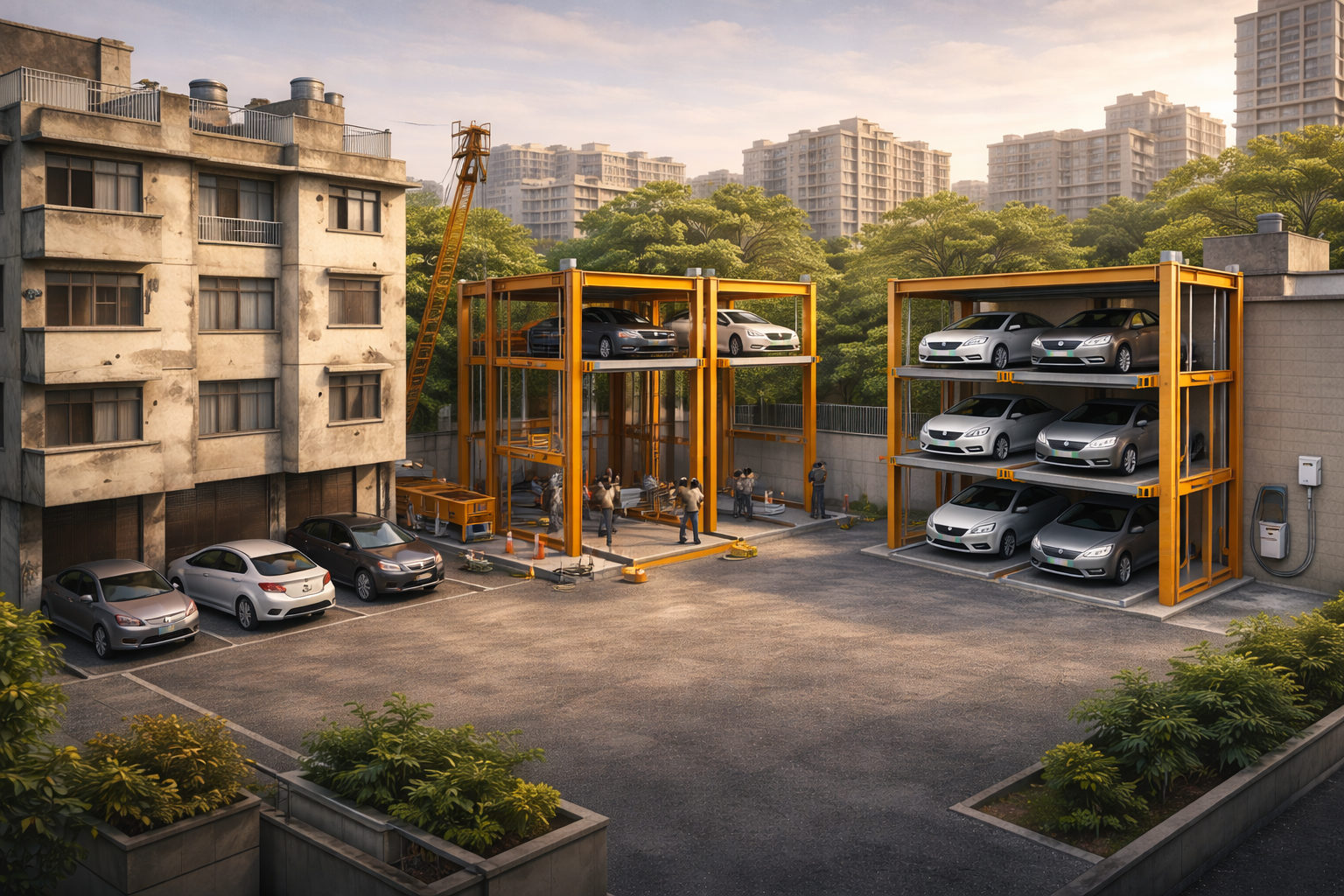
The answer lies in retrofitting parking areas with smart parking elevators allows buildings to maximise space and adapt to today’s parking needs.
Retrofitting turns old buildings into smart and green spaces. They fix small floor plans and save costs. The work keeps people safe and helps traffic move. Fixing an old site is the best move for any team.
Retrofitting Solutions for Modern Residential and Commercial Projects
Retrofitting means upgrading old systems in existing buildings to meet today’s standards.
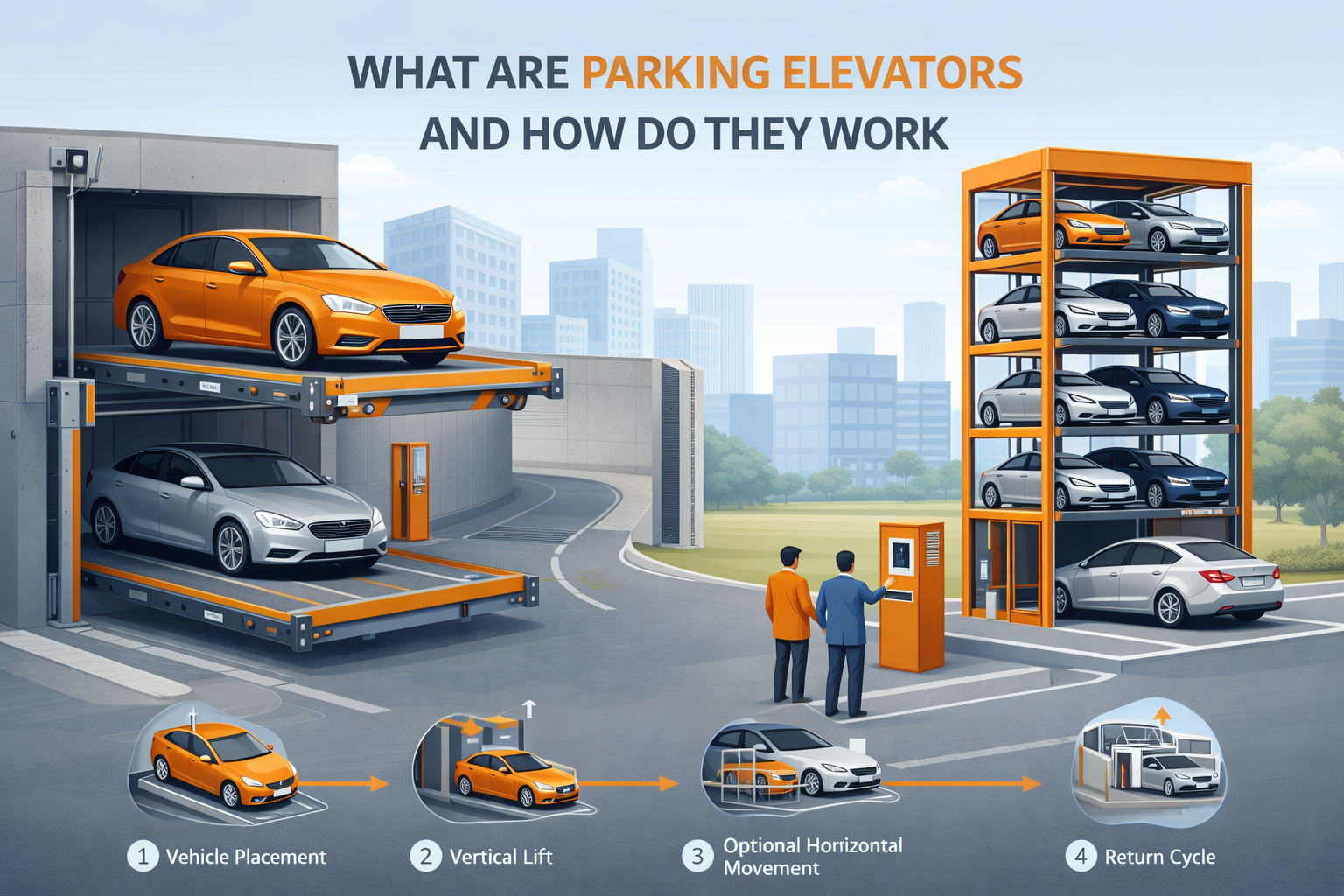
It uses new technology, better design, and added safety features to improve how a building works. Retrofitting helps solve problems in buildings that are already constructed, without needing to rebuild everything from the start. Installing parking elevators is one of the ways in which retrofitting can happen.
Why Retrofitting Matters for Real Estate Projects
Modern buyers expect smart infrastructure and EV-ready parking, and seamless mobility. The current parking requirements exceed the capacity of traditional parking facilities to satisfy customer needs.
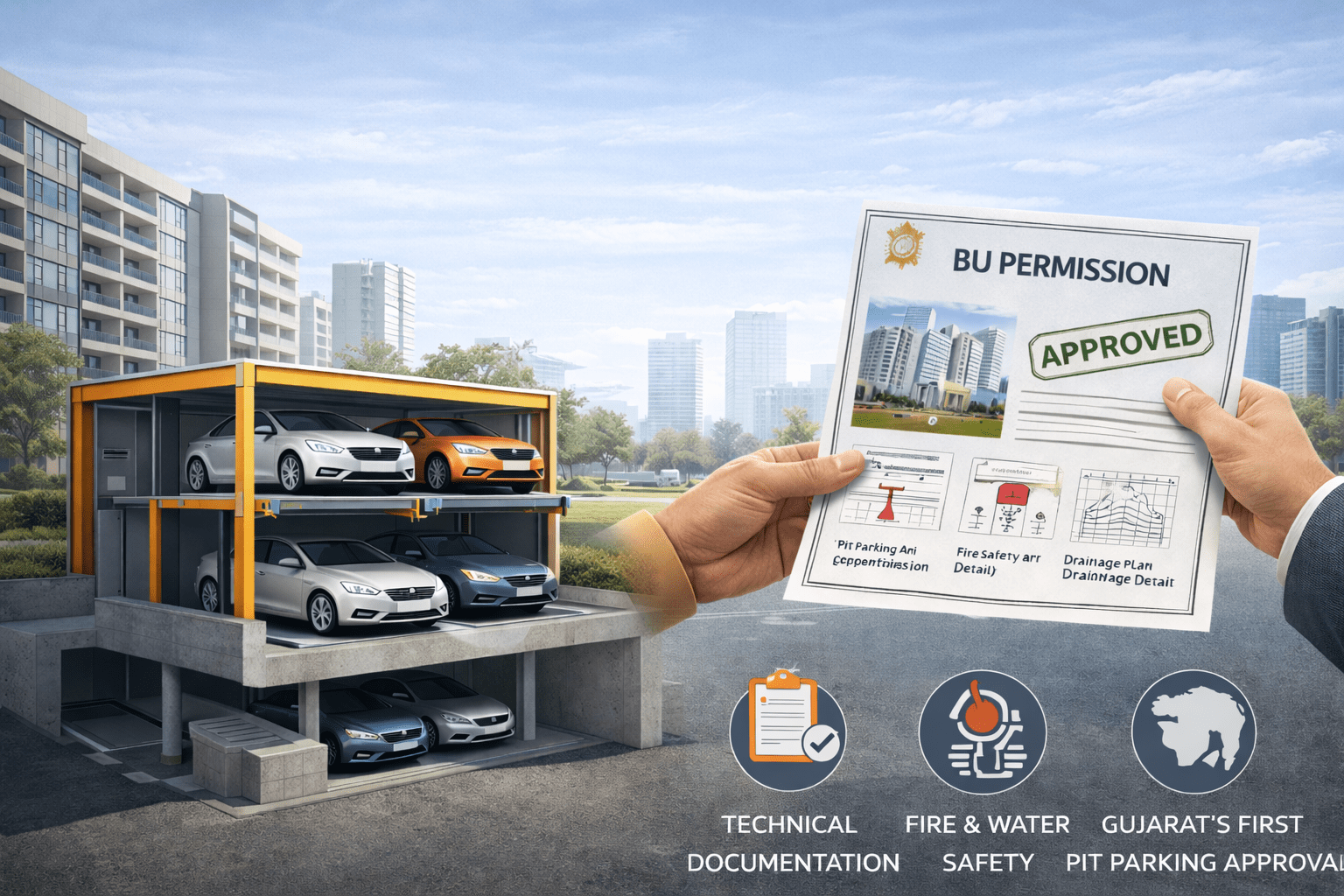
Retrofitting enables residential and commercial buildings to undergo modernization without the need for total demolition work. This process enhances existing facilities, reduces upgrade costs, and minimises the need for extensive regulatory approvals.
How Retrofitting Solves Modern Infrastructure Challenges
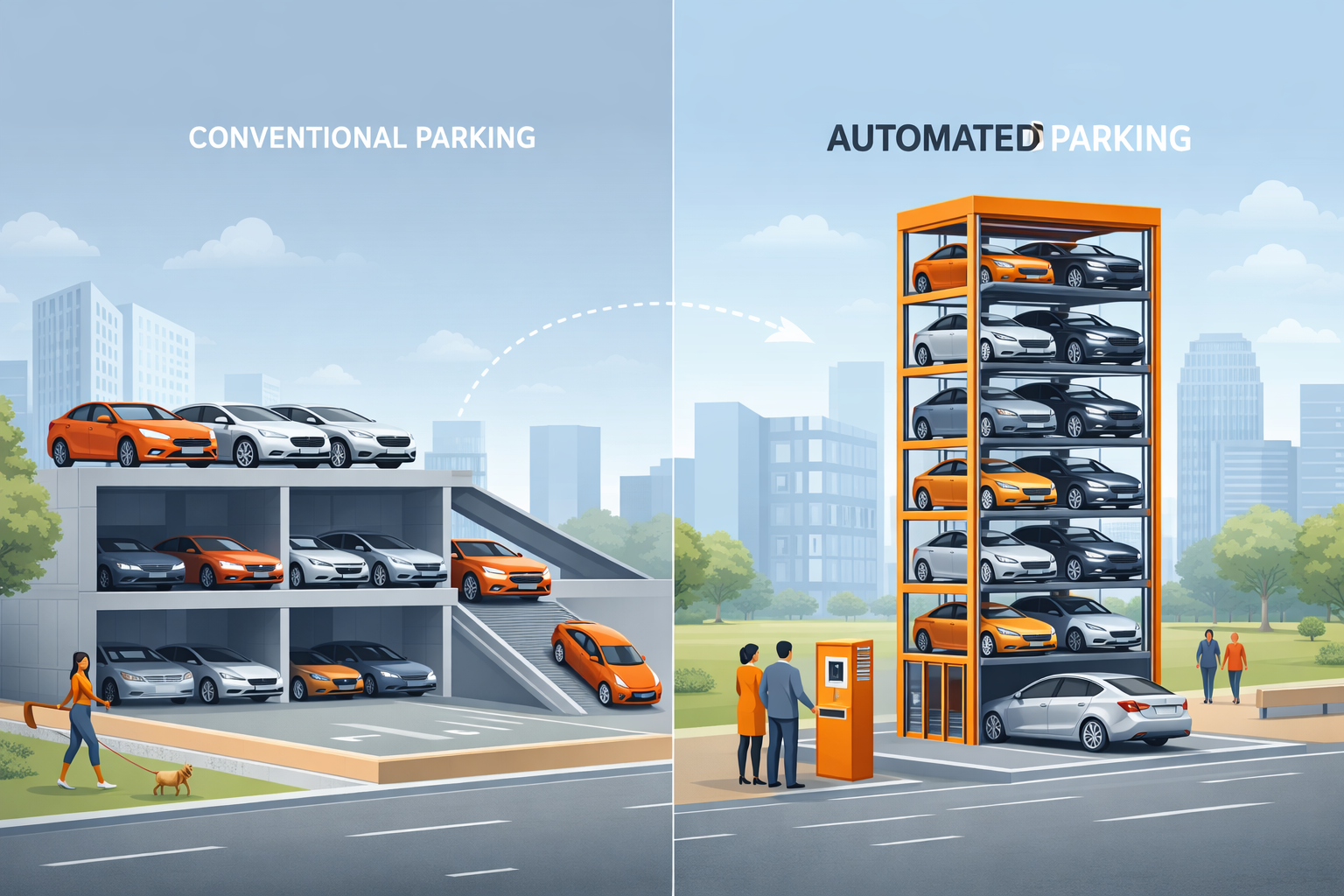
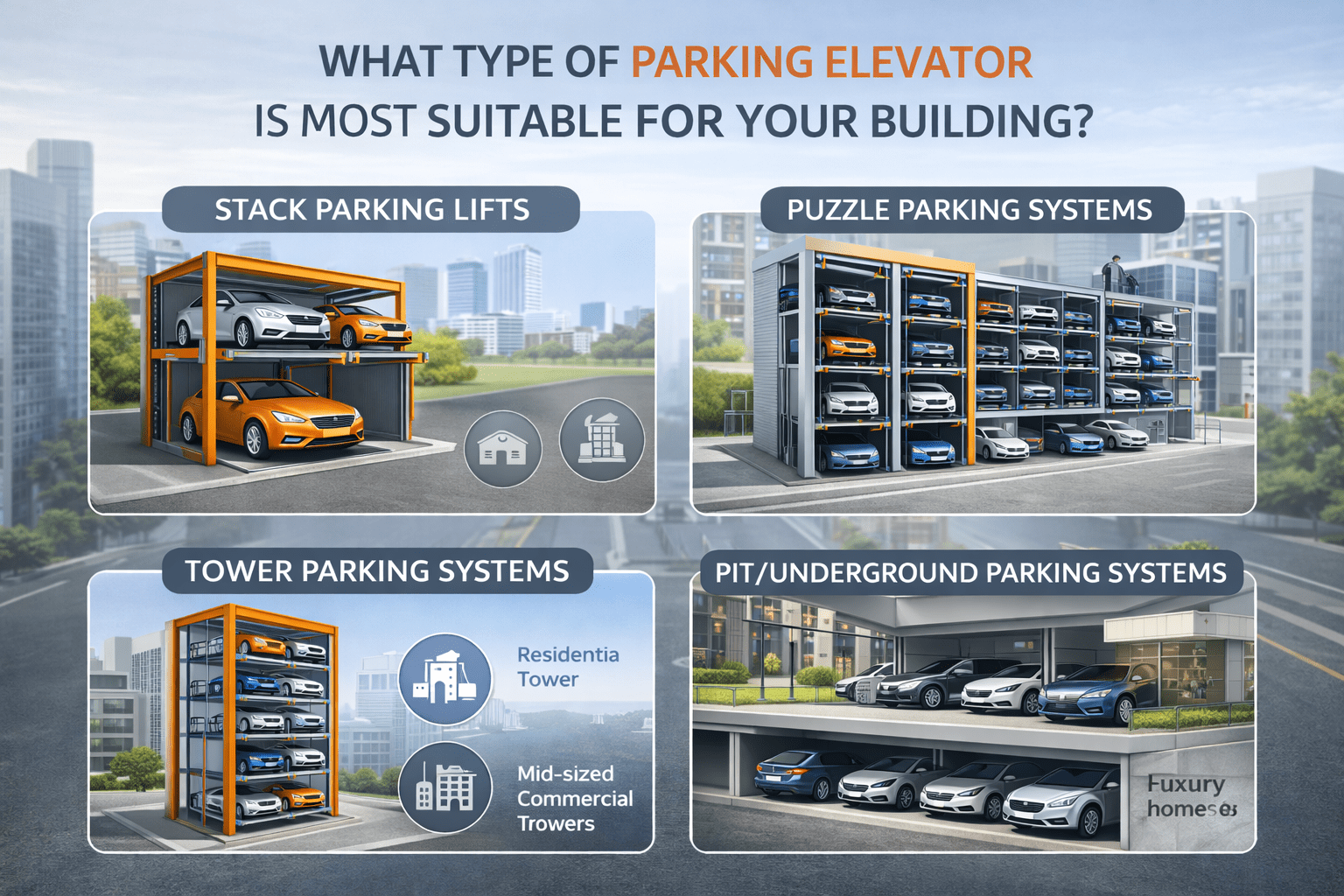
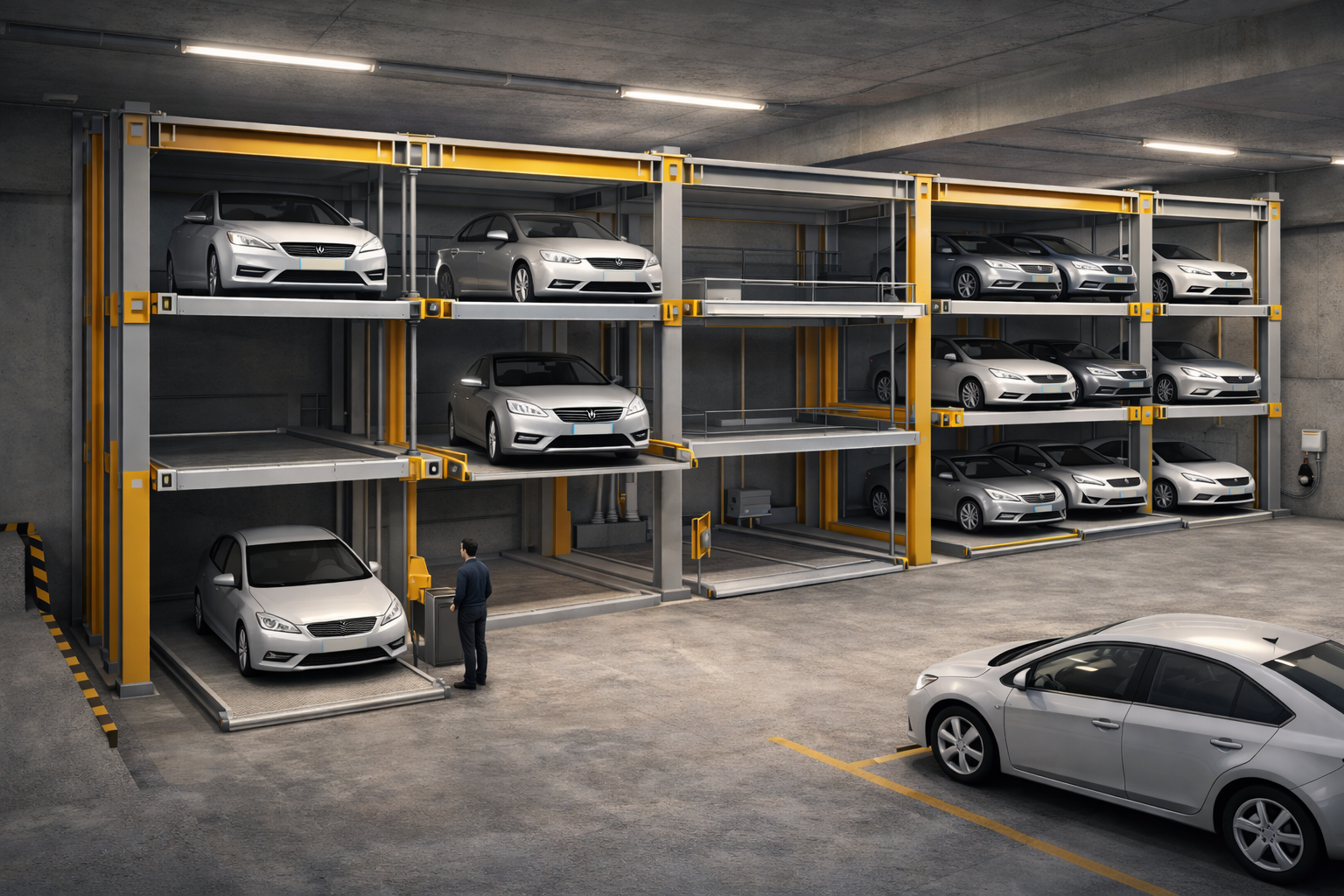
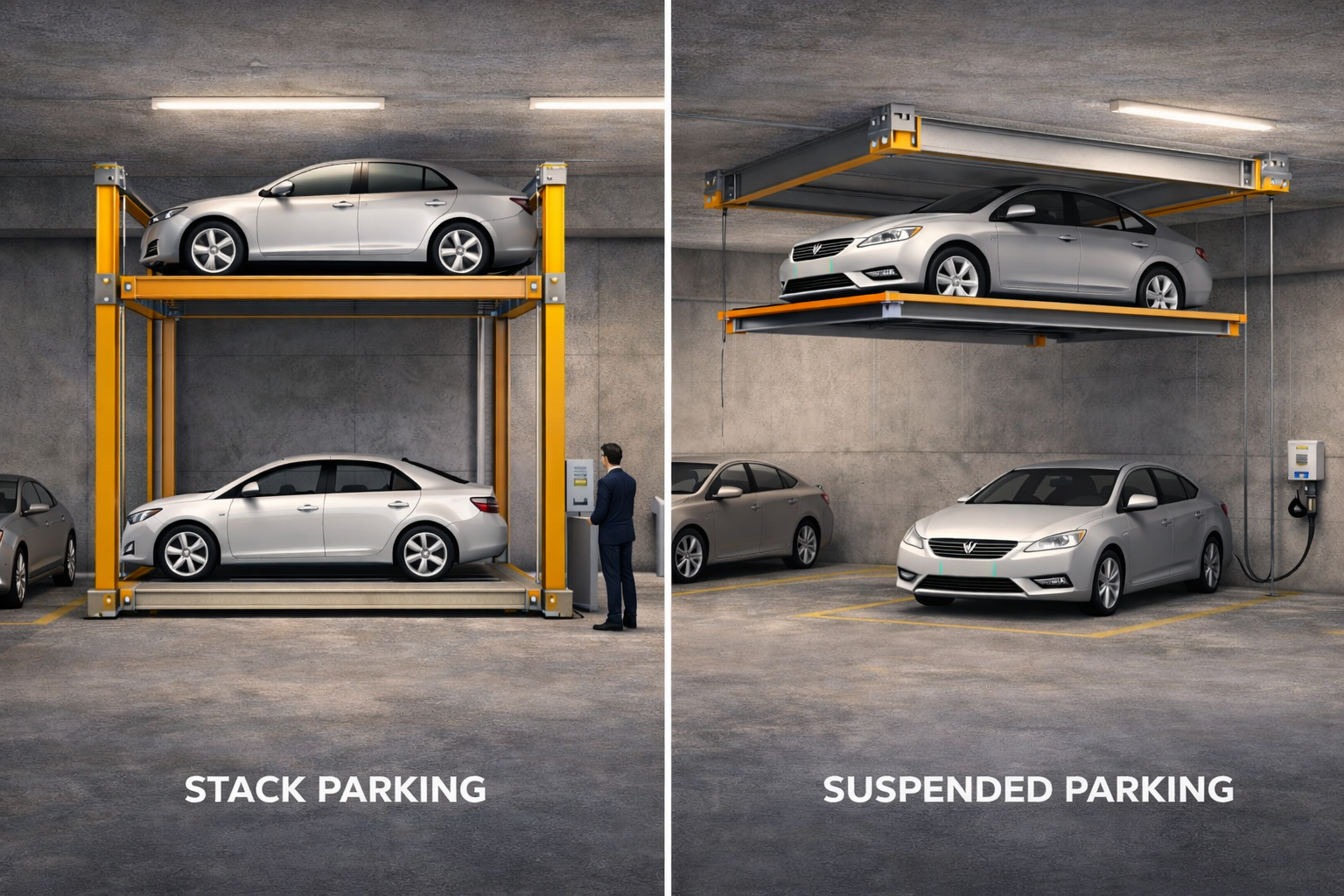
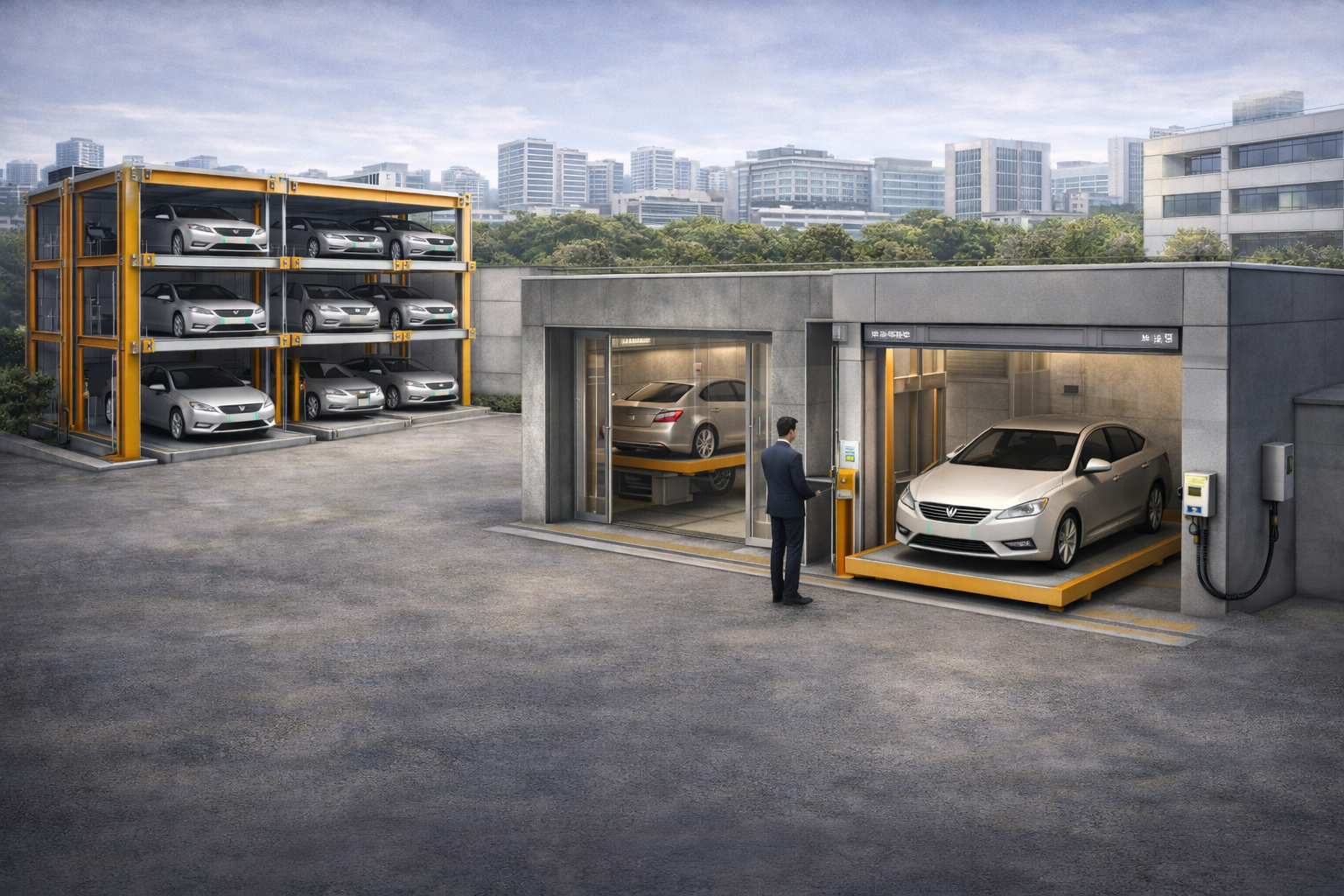
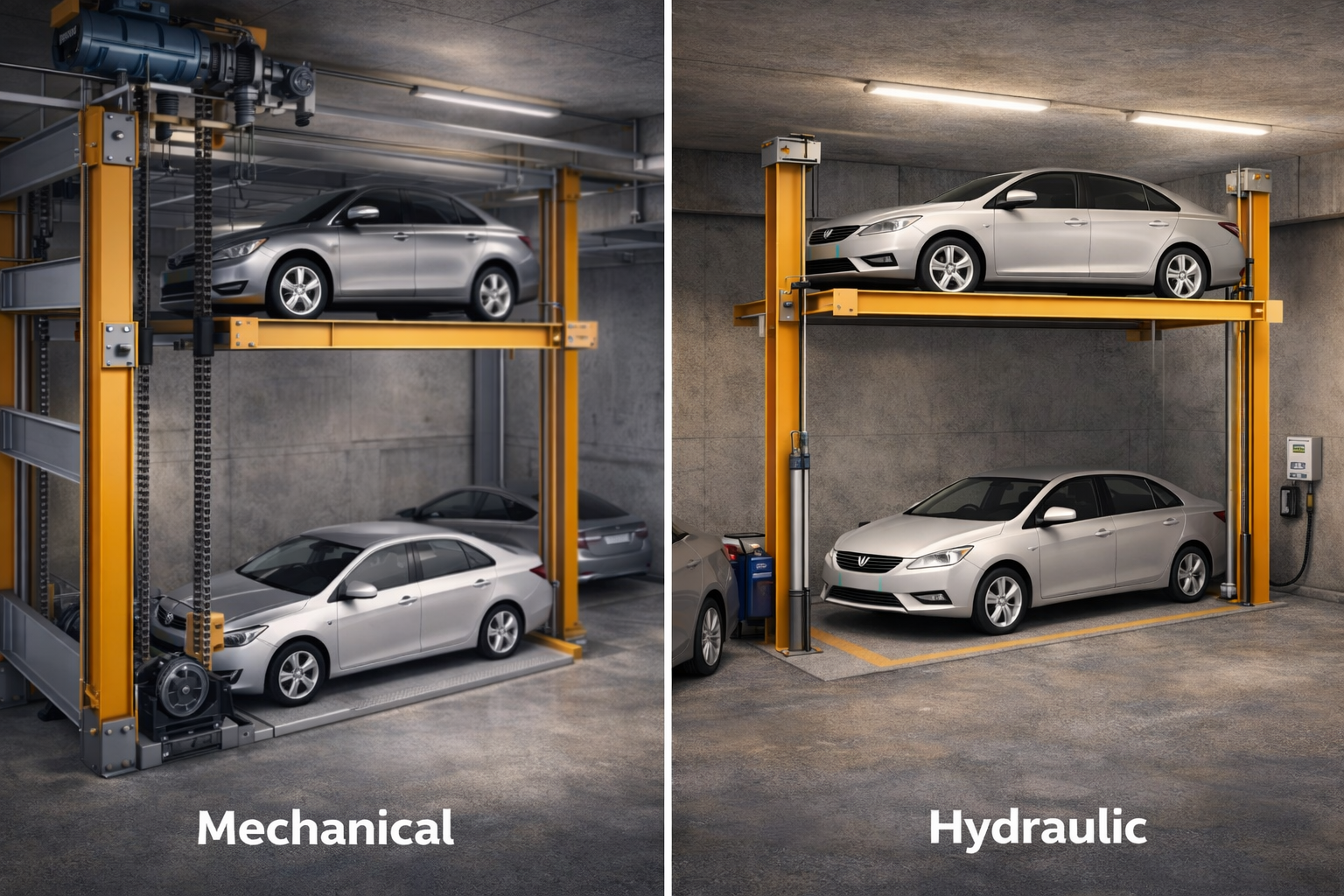
- Maximising Space Efficiency: The existing basements and podiums can accommodate advanced systems, which include stack parking, pit parking, puzzle parking, and rotary systems. The systems enable parking facilities to accommodate 200 to 300% more of their normal vehicle capacity without needing more parking space.
- Cost-Effective Infrastructure Upgrades:Building new parking lots can add 30 to 50% to costs. Fixing what you have on site saves time and money. This path cuts down on heavy work and messy waste. You can scale the project to fit your current budget.
- Adapting to Changing Mobility Needs:Electric vehicle charging stations, automated systems, and intelligent parking systems now represent essential requirements for modern infrastructure. The process of retrofitting enables developers to protect their buildings from future changes without constructing new fundamental elements.
- Supporting Sustainability Goals: Construction activities produce approximately 38% of global CO₂ emissions. The process of retrofitting reduces material waste and total carbon emissions while safeguarding architectural heritage.
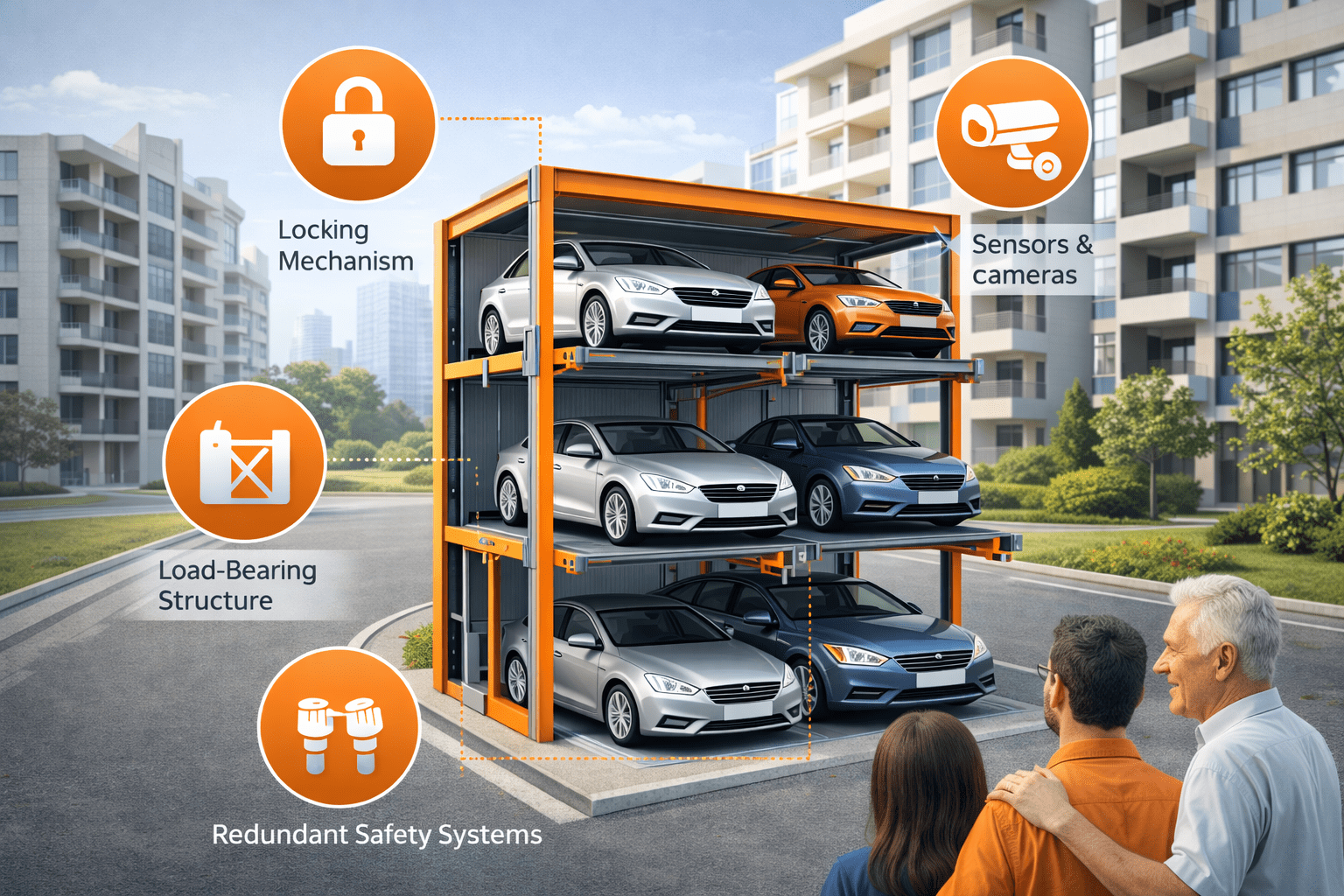
- Enhancing Safety and Security: Automated parking systems reduce driver errors while decreasing the risk of theft and vandalism. This new system uses two ways to keep people safe. It pairs locked doors with a set of modern and smart cameras. This setup protects staff and guests at all times.
In competitive real estate markets, retrofitting for parking elevators is what will set you apart.