Mechanical Parking vs. Hydraulic Parking Systems

26 February 2026

Mechanical Parking vs. Hydraulic Parking Systems

The parking system selection process requires consideration of the system’s vehicle movement mechanism as an essential factor.

The implementation of mechanical and hydraulic parking systems requires different engineering approaches, which determine their project suitability based on their respective cost structures. The parking design requires a well-planned decision because it ensures efficient vehicle movement while maintaining financial control and enhancing the entire parking system.

The building technology decision-making process requires you to evaluate which technological option best meets your needs.

What Is a Mechanical Parking System?

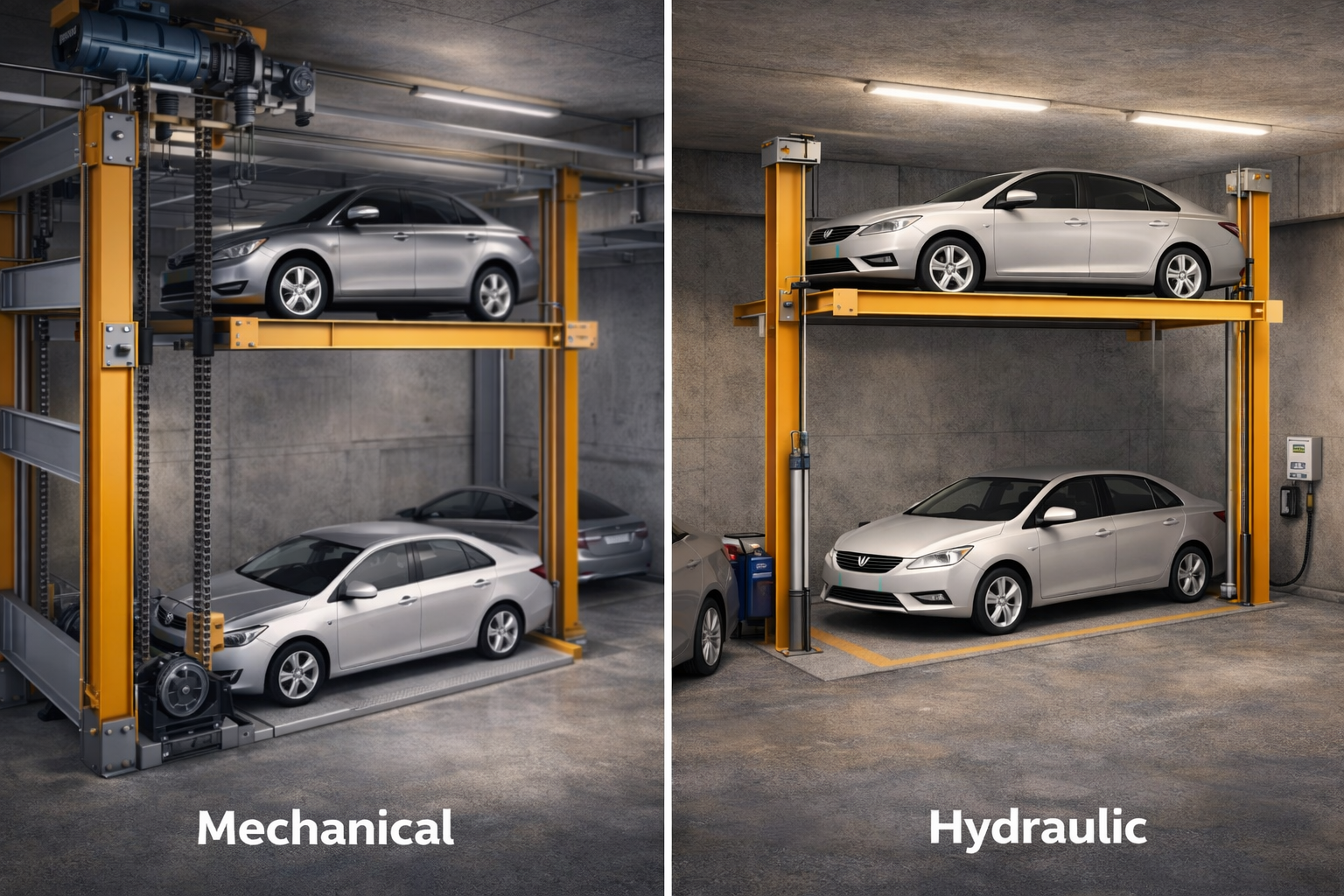
A mechanical parking system involves the use of motors, chains, gears, and traction parts to move cars in their various directions. The systems are found in the automated towers and high-rise buildings, mostly where speed remains a key factor.

The mechanical systems operate at high speeds while maintaining increased accuracy standards. The system requires substantial initial investment together with ongoing upkeep expenses because it operates continuously under heavy load. The system operates effectively in areas that experience high customer traffic.

What Is a Hydraulic Parking System

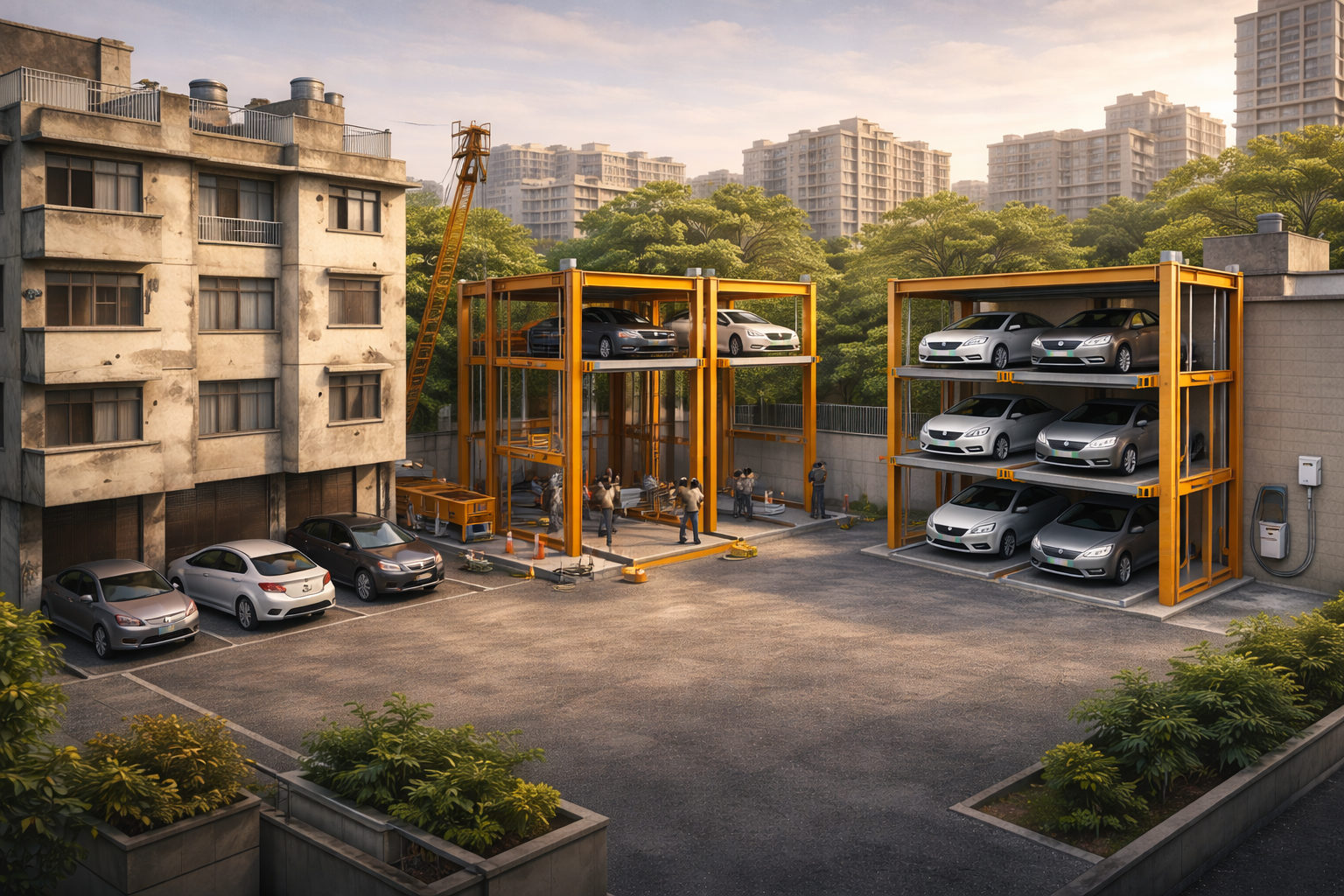
A hydraulic parking system is a type of parking system that operates with the help of cylinders and fluid pressure to raise cars up in the air. Thanks to their robust and straightforward design, these systems are the preferred choice for developers across residential projects, stack parking, and pit installations.

Hydraulic systems provide silent operation together with low maintenance requirements and budget-friendly costs. These devices operate at slower speeds than mechanical lifts yet function well in home environments that experience light foot traffic throughout the day.

Mechanical vs. Hydraulic: Finding Your Best Fit

Opt for Mechanical Parking Systems if:

  •  High-Traffic Demands: Ideal for busy malls, office complexes, or large residential projects with frequent vehicle movement.
  •  Rapid Turnover: Perfect when quick car retrieval and high turnover are important.
  •  Sustainable Operations: You prefer an eco-friendly, oil-free system with a longer lifecycle and superior reliability.

Opt for Hydraulic Parking Systems if:

  •  Budget-Conscious Projects: You need a cost-effective parking solution for a smaller development.
  •  Low-Frequency Usage: Best for places with fewer vehicles, like boutique villas or small offices.
  •  Minimalist footprint: Great for compact spaces that only require a basic two-level parking stacker.
  •  Low Maintenance: Designed for long-term reliability with fewer breakdowns and less downtime.

Smarter Parking Made Simple

Both systems demonstrate successful performance when they operate with suitable building standards. The right decision can make the parking concerns lighter, allow costs to be tamed, and ensure persistence for the extended timespan of such parking solutions.
Recent post

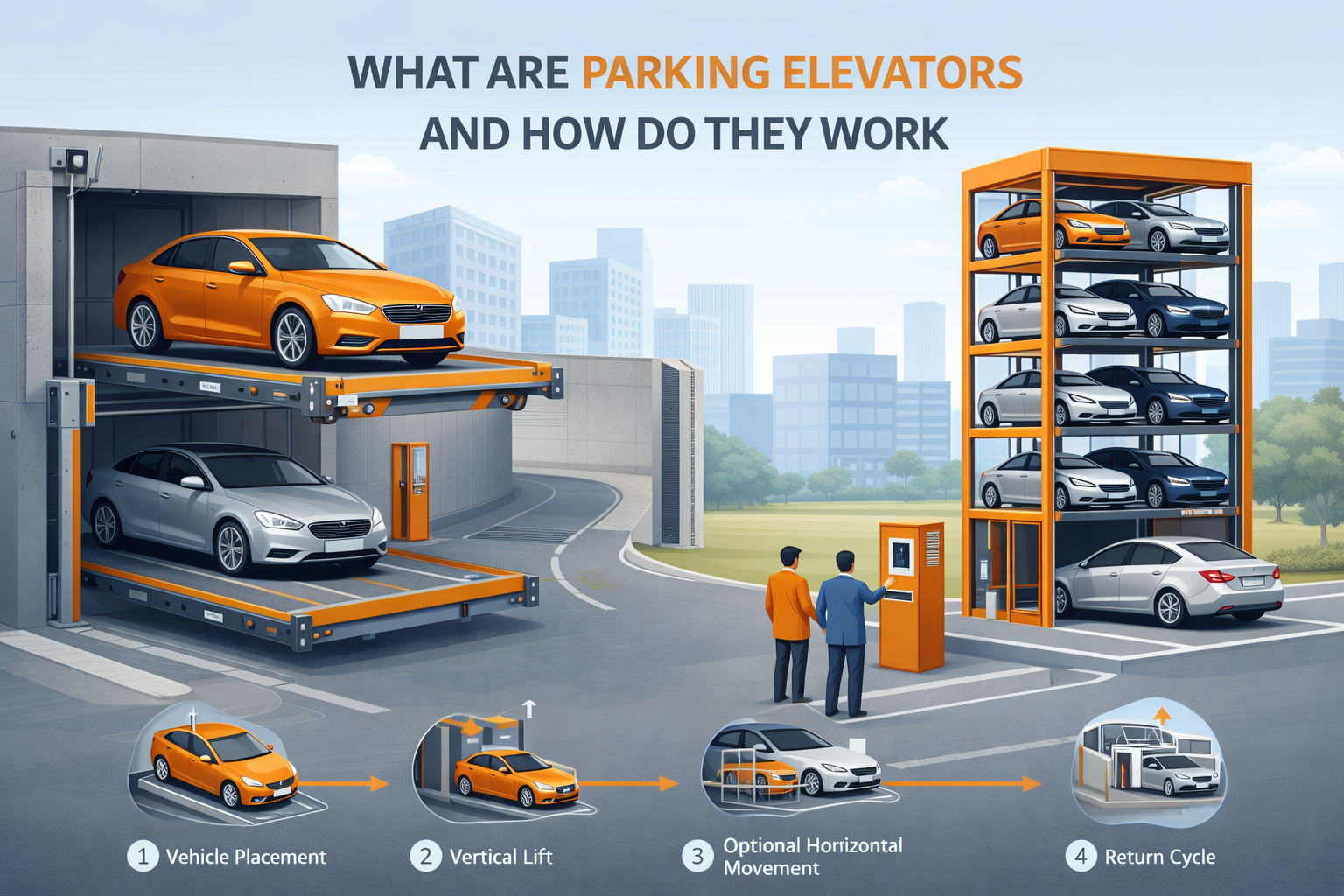
What Are Parking Elevators and How Do They Work

Parking is not just another box to be ticked when designing a commercial or residential building. For constructors, planners, and designers, parking elevators offer a direct solution to this challenge, addressing a real problem of money and space. The old...

Read More

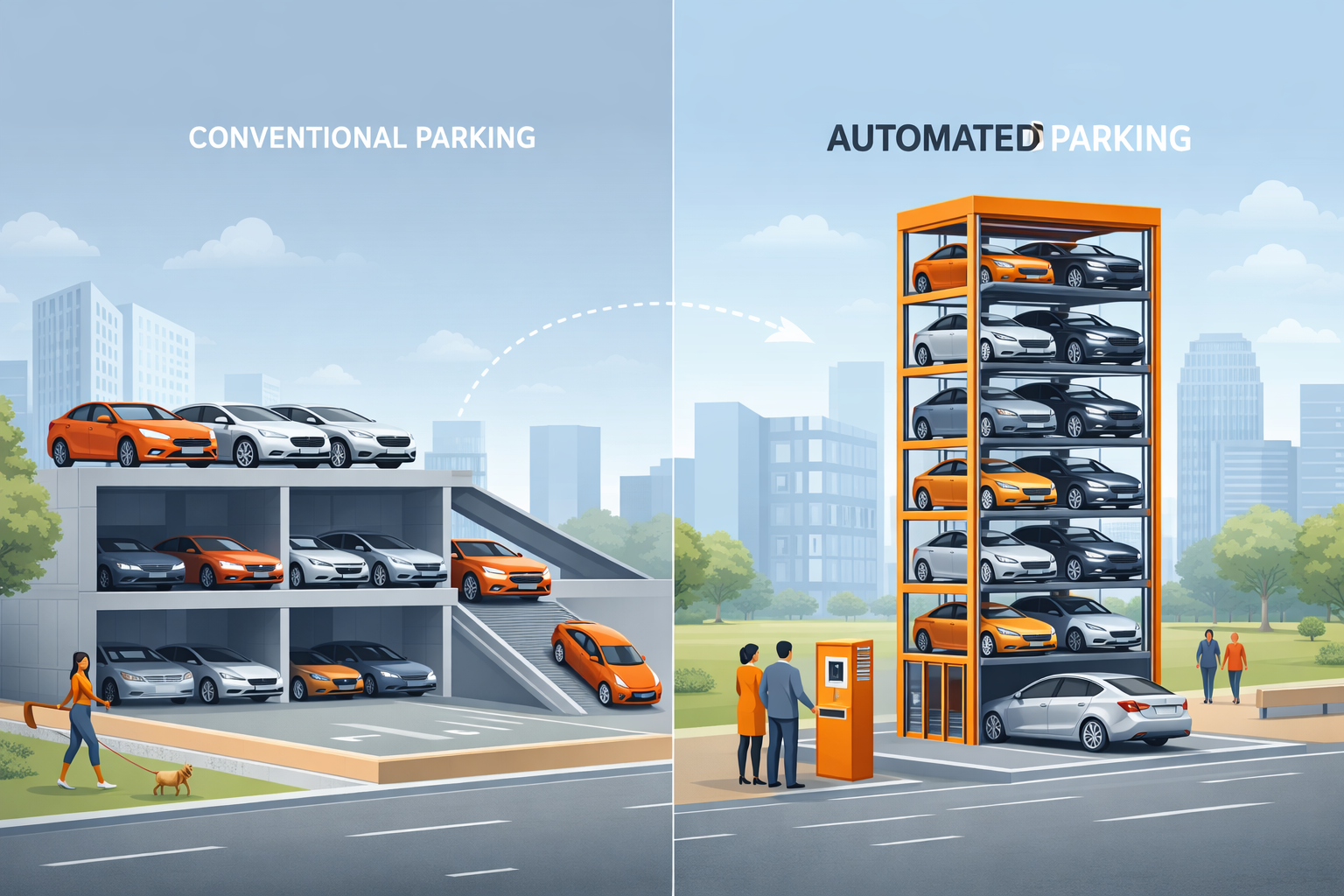
5 Benefits of Automated Parking Over Conventional Parking

Imagine 20 cars parked in the space for 2!  Yes, that is a real possibility. And many residential and commercial buildings are already doing that using automated parking systems to save space, time and money. With increasing vehicle traffic in...

Read More

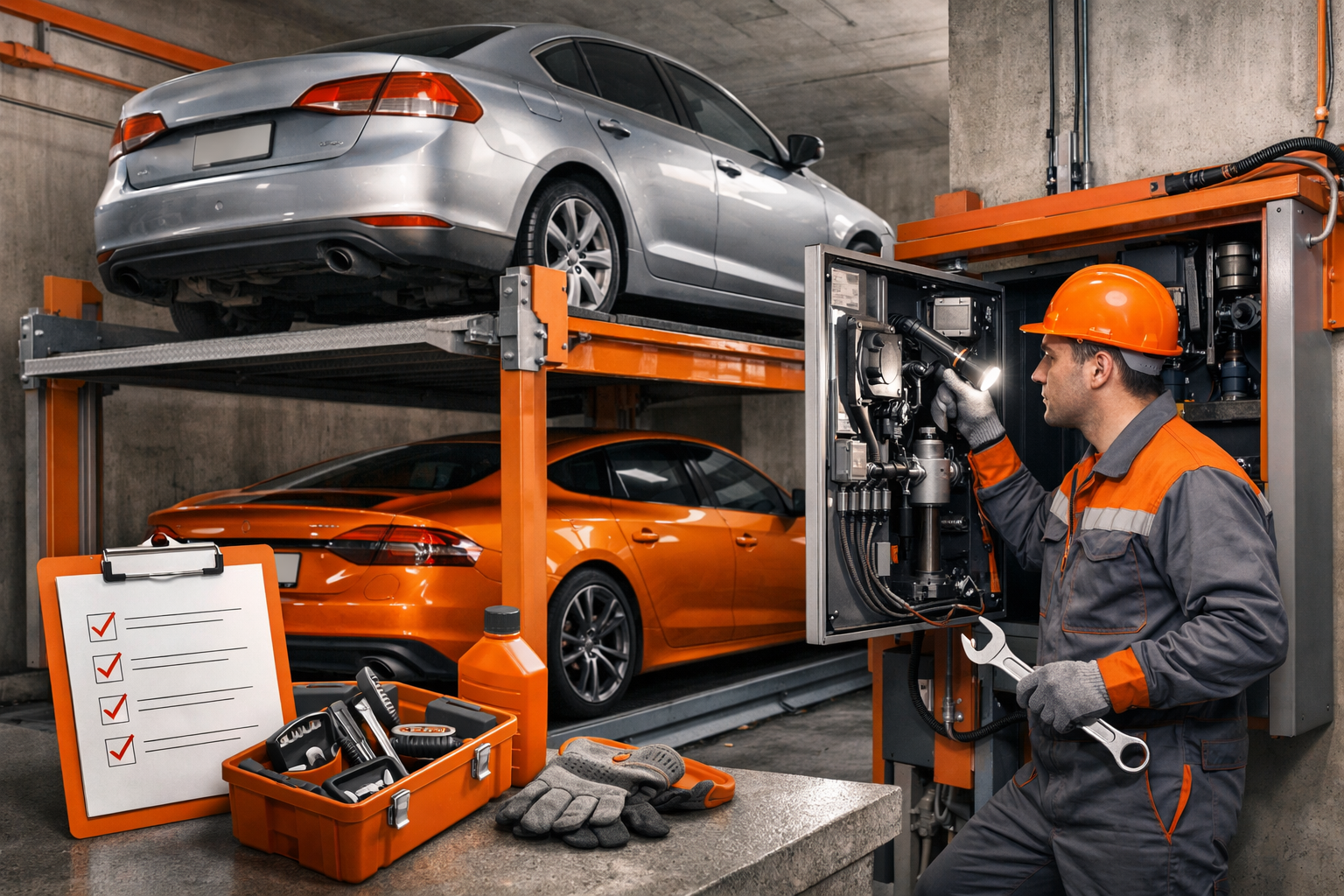
How To Maintain Your Parking Elevators in 4 Simple Steps

Parking lifts are a valuable addition to homes and commercial buildings. They save space and make parking easier and more accessible. However, maintaining them is important for a safe and comfortable experience. Regular inspection and scheduled maintenance prevent issues before...

Read More

How i-CUBE Restored Momentum to a Stalled Premium Residential Project

The execution for a premium residential project slowed down when the initially appointed vendor failed to meet timelines. At this stage, i-CUBE Parking Elevators entered the project with a focused and execution-driven approach to recover delays and stabilize progress. About...

Read More

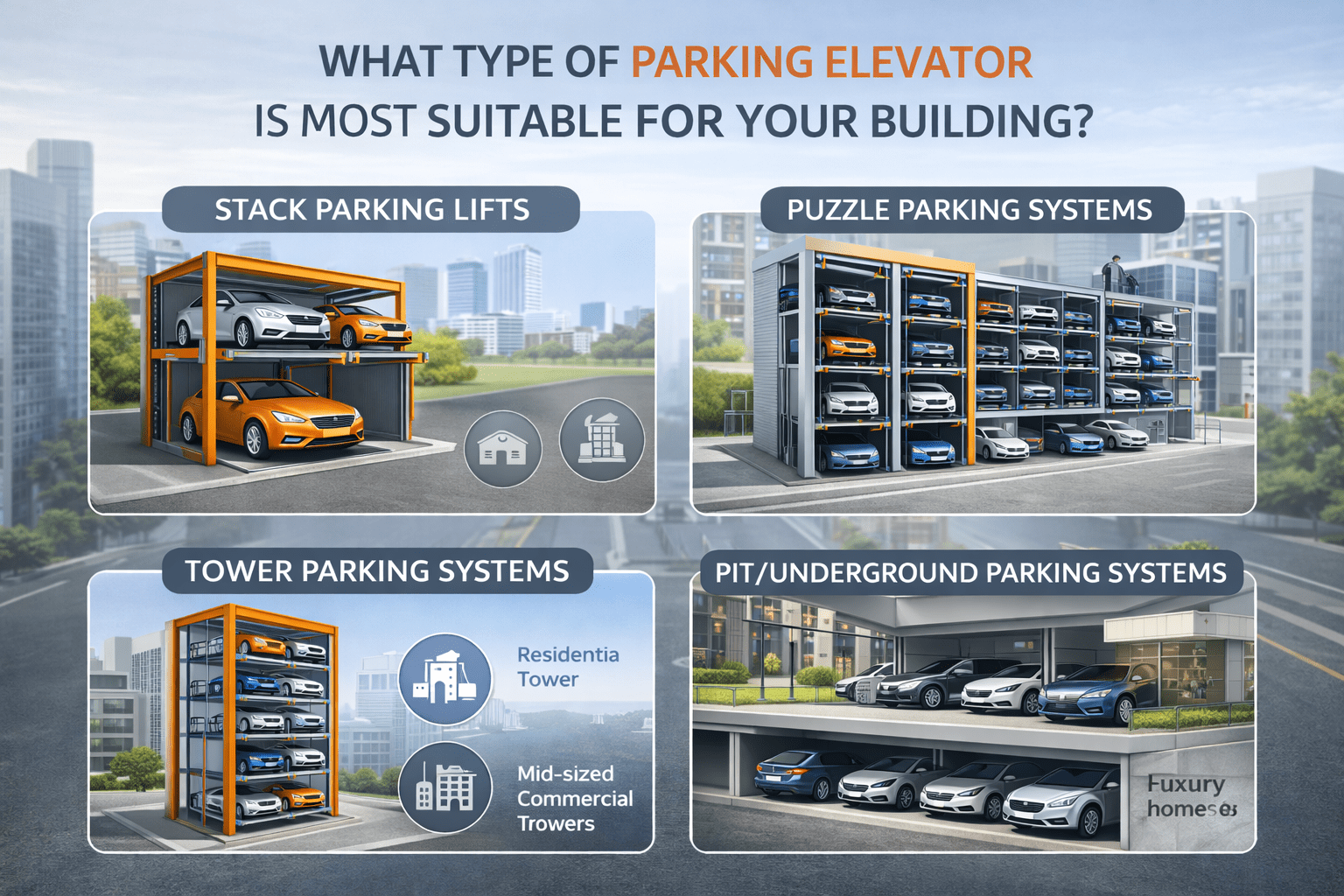
What type of Parking Elevator is Most Suitable for Your Building?

Choosing the right parking elevator for a space depends on a variety of factors. A setup that is effective in a home garage might be different from one in an office tower or shopping mall. Understanding the different types of...

Read More

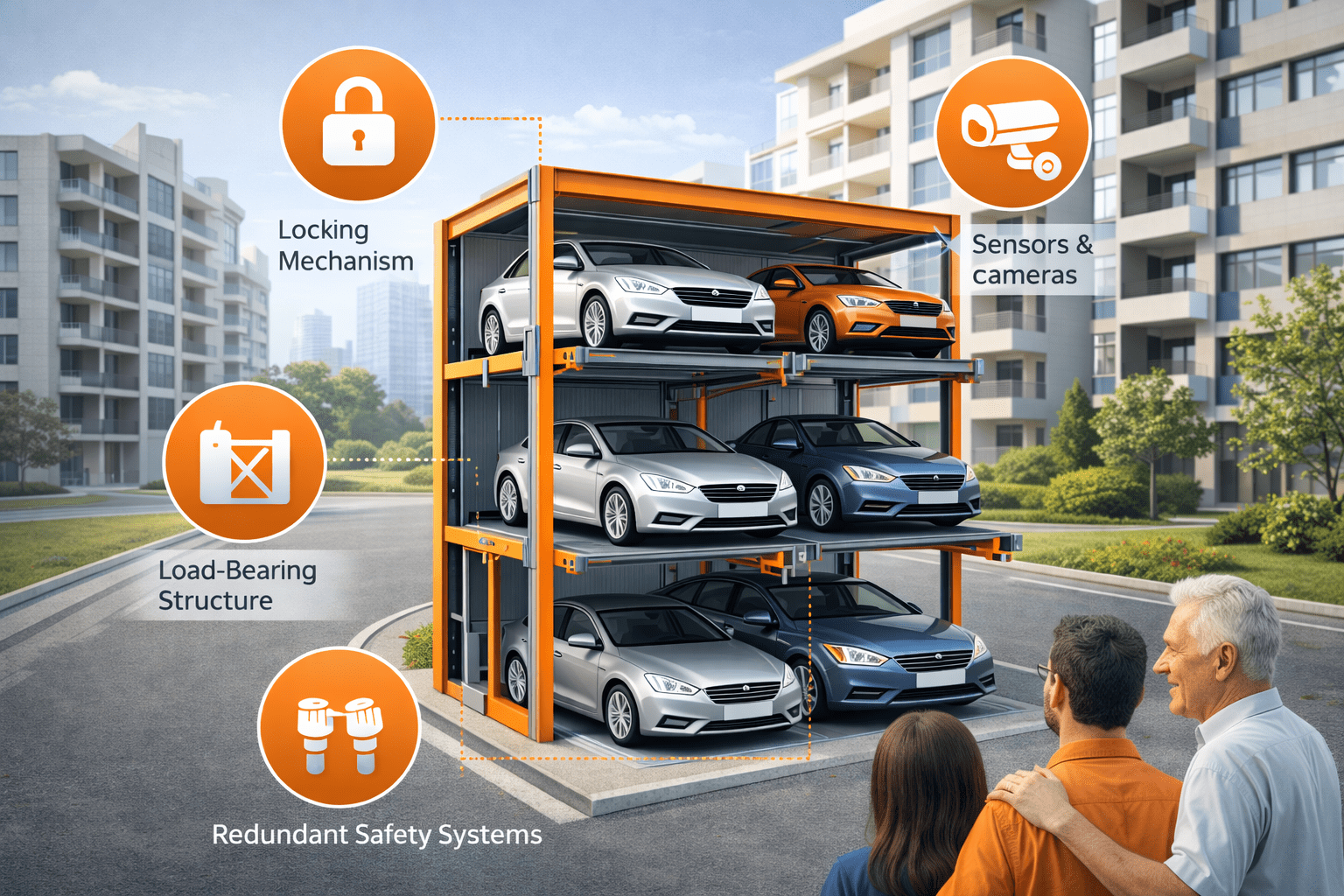
Are Parking Elevators Safe?

Yes, when you install them properly, and operate properly, and maintain them properly. Automated parking systems, also known as parking lifts or car elevators, must comply with stringent safety standards. When constructed and operated properly, they are as reliable as...

Read More

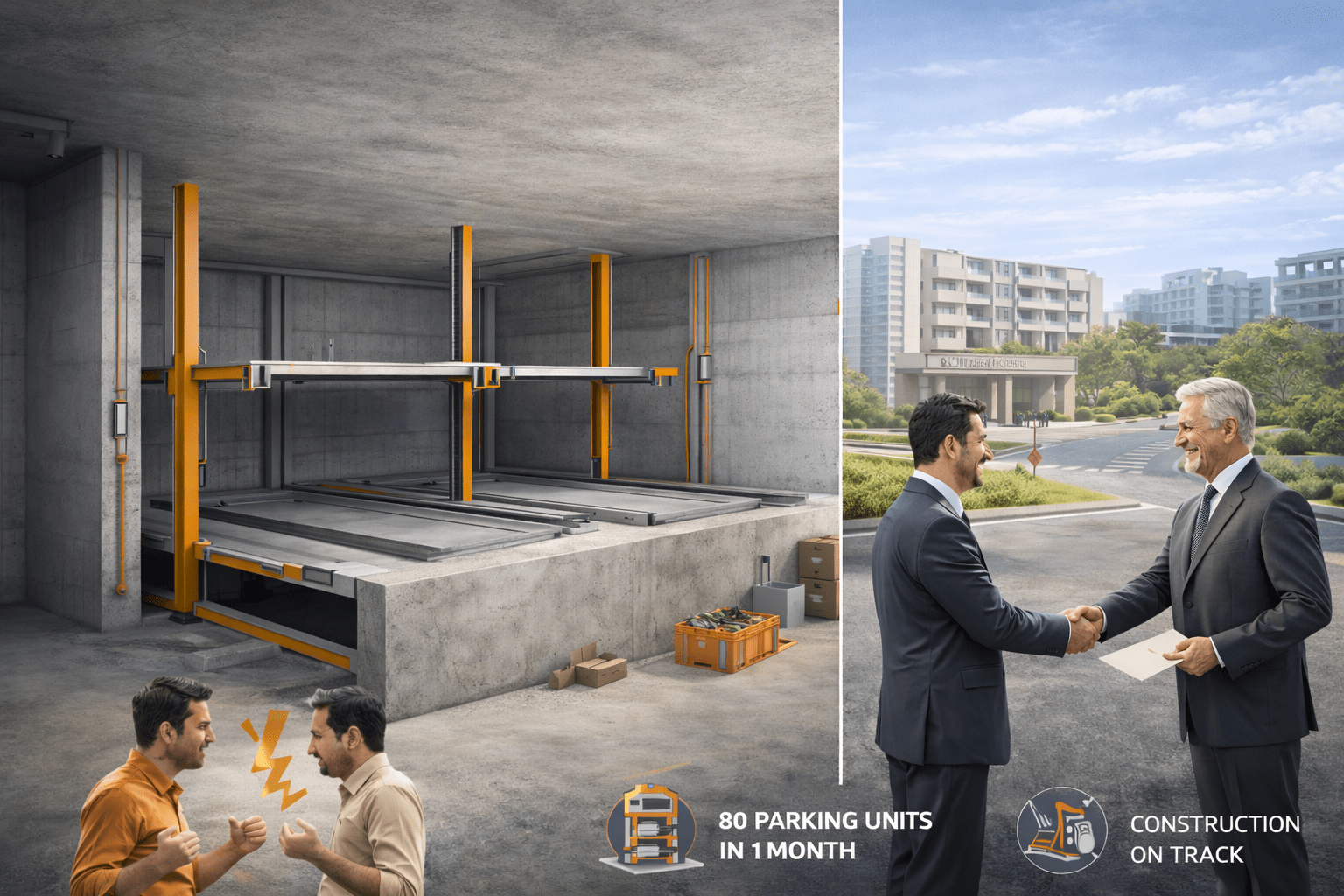
How i-CUBE Parking Elevators Helped Solitaire Connect Acquire BU Permission Within One Month

Work on a residential project in Ahmedabad slowed after a vendor dispute delayed parking installations. Since Building Usage (BU) Permission depended on this, timely action became necessary. At this point, i-CUBE Parking Elevators stepped in to support the builder and...

Read More

How i-CUBE Parking Elevators Helped Kshitij Aria Secure BU Permission for Pit Parking Project

When innovative design meets regulatory clarity, landmark projects are born. This was precisely the case with Kshitij Aria, a distinguished real estate developer in Ahmedabad, who partnered with i-CUBE Industries Private Limited to implement an advanced pit parking system while...

Read More

Built on Proof: How i-CUBE Parking Elevators Earned Rajvi Opal’s Confidence

When a premium builder questions product quality due to market rumors, only evidence can settle the debate. Rajvi Opal, a respected developer in Ahmedabad, needed clear, verifiable proof before selecting a parking solutions partner. At this decisive moment, i-CUBE Parking...

Read More

How i-CUBE Parking Elevators Delivered Premium Quality Under Critical Timeline Pressure for Ekta Festival

When initial deliveries did not meet expected standards, i-CUBE Parking Elevators responded with urgency and precision to support The Festival Group. Through rapid coordination and focused technical execution, the gap was closed quickly, ensuring delivery met premium standards without delay....

Read More

Retrofitting Parking Elevators in Existing Infrastructure

Urban India is running out of space. India will have an urban population of 600 million people by 2030, which will continue to grow along with increasing vehicle numbers on the streets. The parking demand in multiple cities already surpasses...

Read More

Puzzle Parking: What It Means and How It Works

It is increasingly difficult to find parking in apartment blocks and office buildings. Ramp systems installed regularly consume significant basement space and reduce the number of cars that can be accommodated. Puzzle parking systems address this problem by lifting cars...

Read More

Stack vs Suspended Parking: Which One Do You Need?

Urban land is getting expensive. Reports show that parking space requirements in major cities can occupy up to 40% of a building’s total area. The requirement to build parking spaces results in significant expenses for builders and developers who need...

Read More

Automated Parking Systems in India

Finding parking has become a key planning challenge in Indian cities, which are expanding as more people purchase cars and space is limited. Automated parking systems address this challenge by accommodating more vehicles in the same space through controlled mechanical...

Read More

Mechanical Parking vs. Hydraulic Parking Systems

The parking system selection process requires consideration of the system's vehicle movement mechanism as an essential factor. The implementation of mechanical and hydraulic parking systems requires different engineering approaches, which determine their project suitability based on their respective cost structures....

Read More