26 February 2026
Automated Parking Systems in India
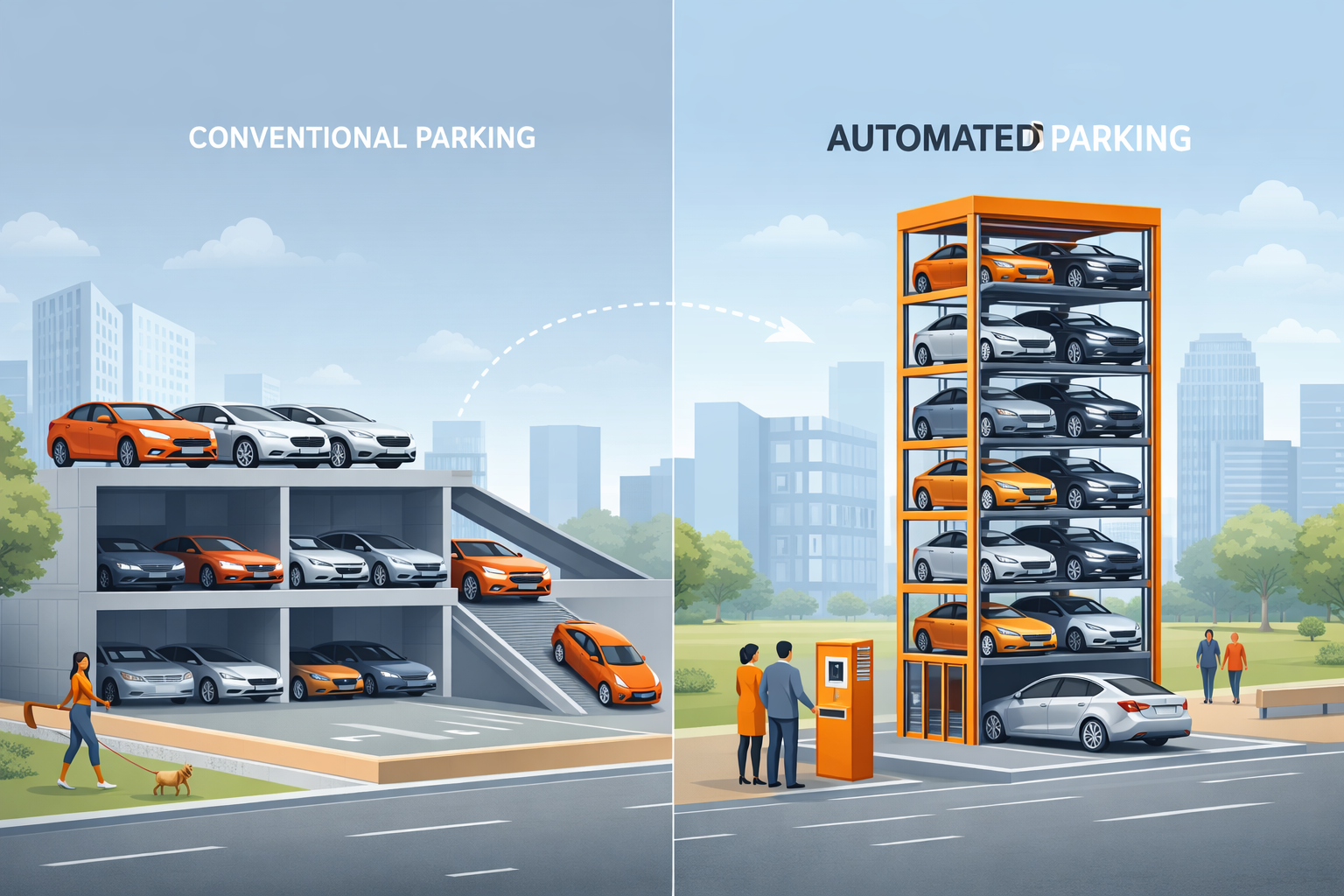
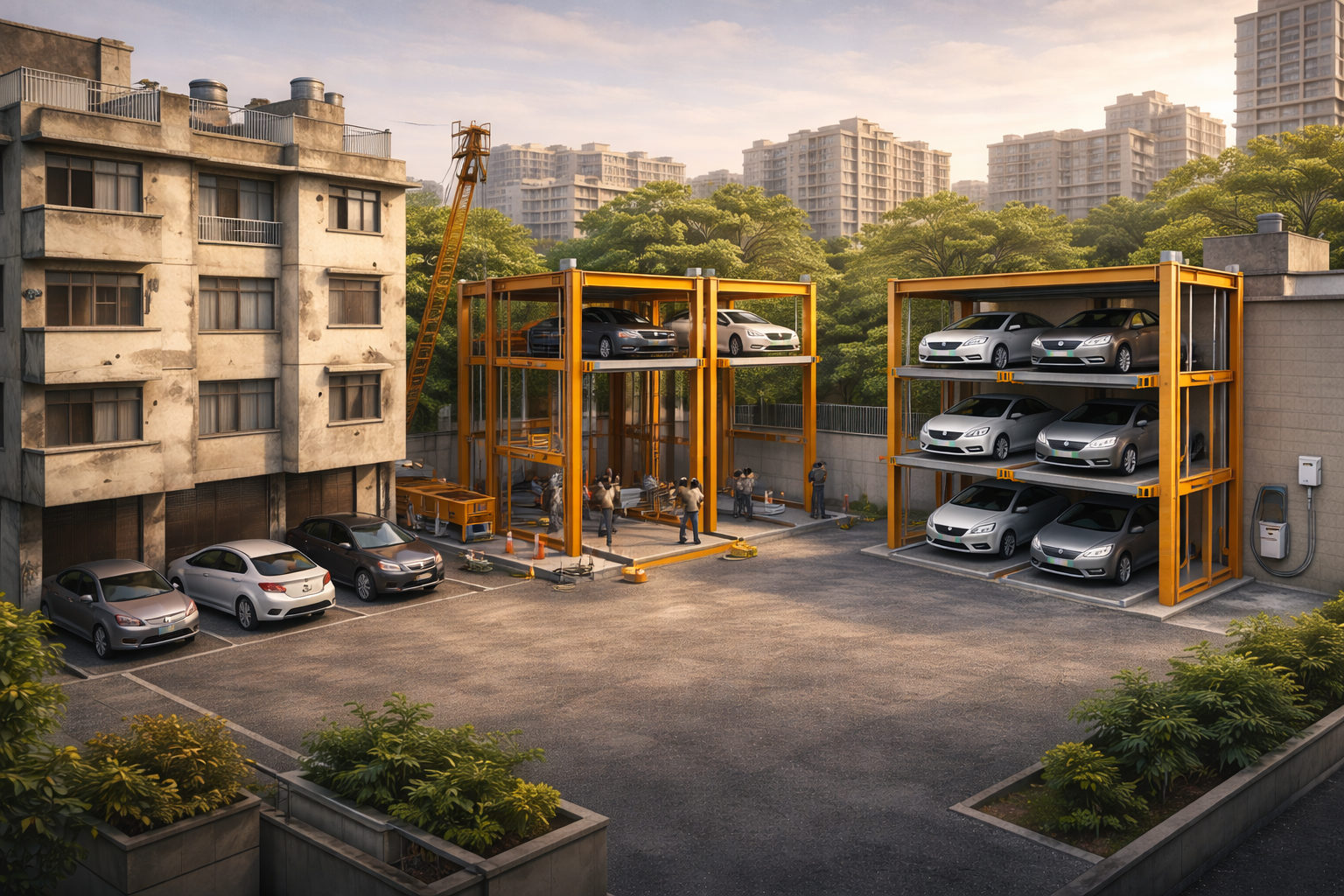
Finding parking has become a key planning challenge in Indian cities, which are expanding as more people purchase cars and space is limited. Automated parking systems address this challenge by accommodating more vehicles in the same space through controlled mechanical movement rather than long ramps.
Parking decisions are important to builders, developers, architects, and construction companies, particularly in limited urban areas, where they determine the depth of the basement, project costs, approvals, and usable construction space.
What Are Automated Parking Systems?
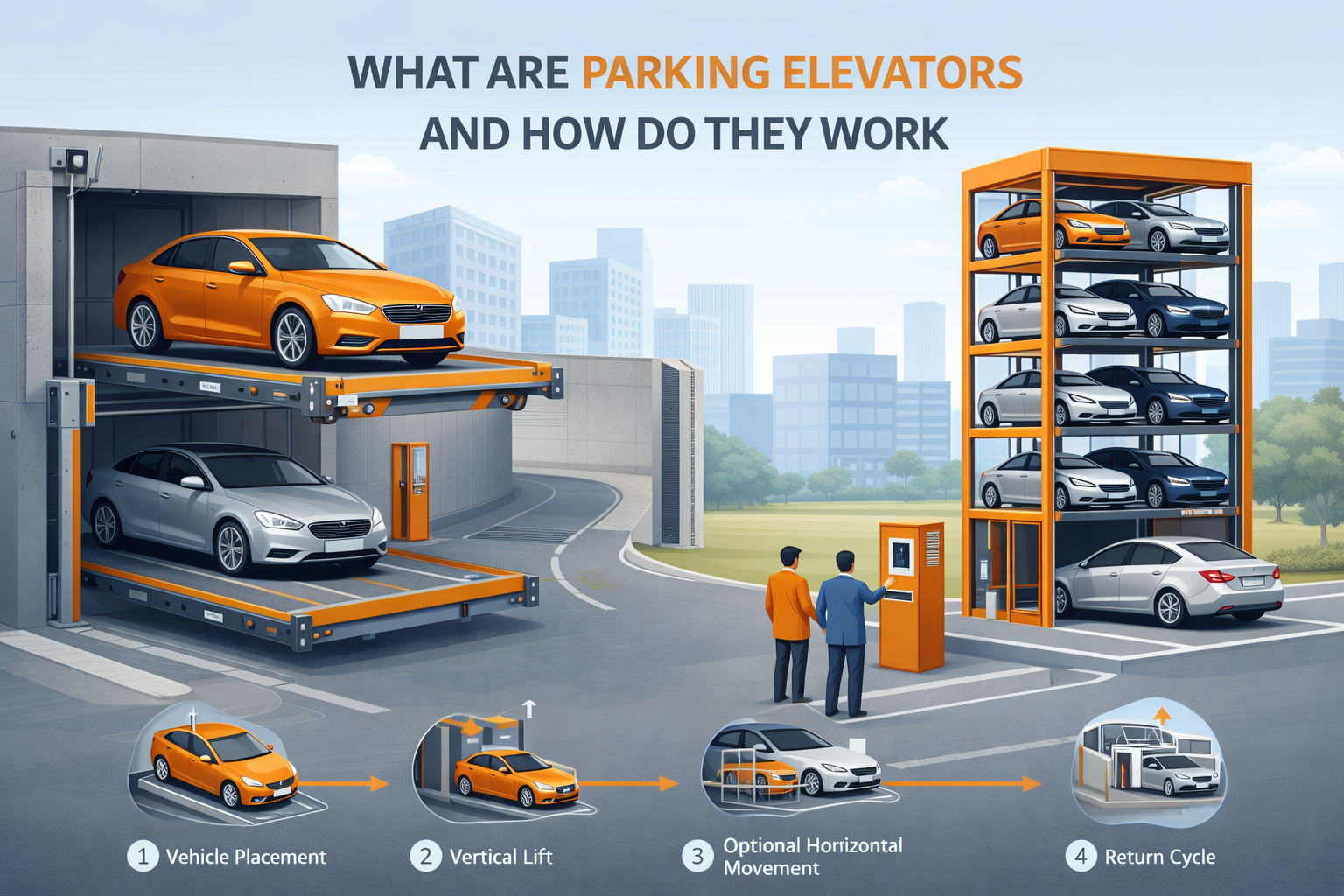
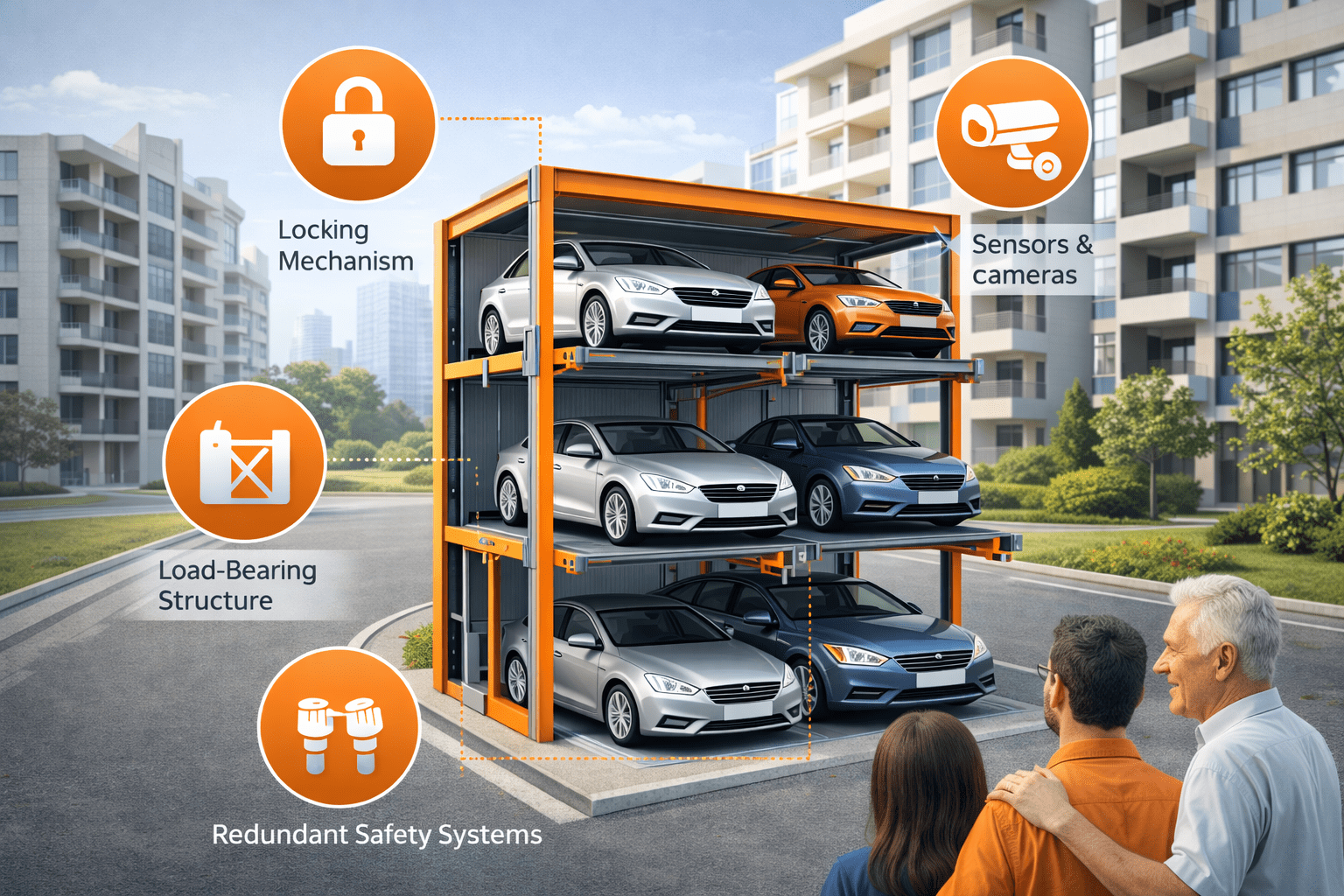
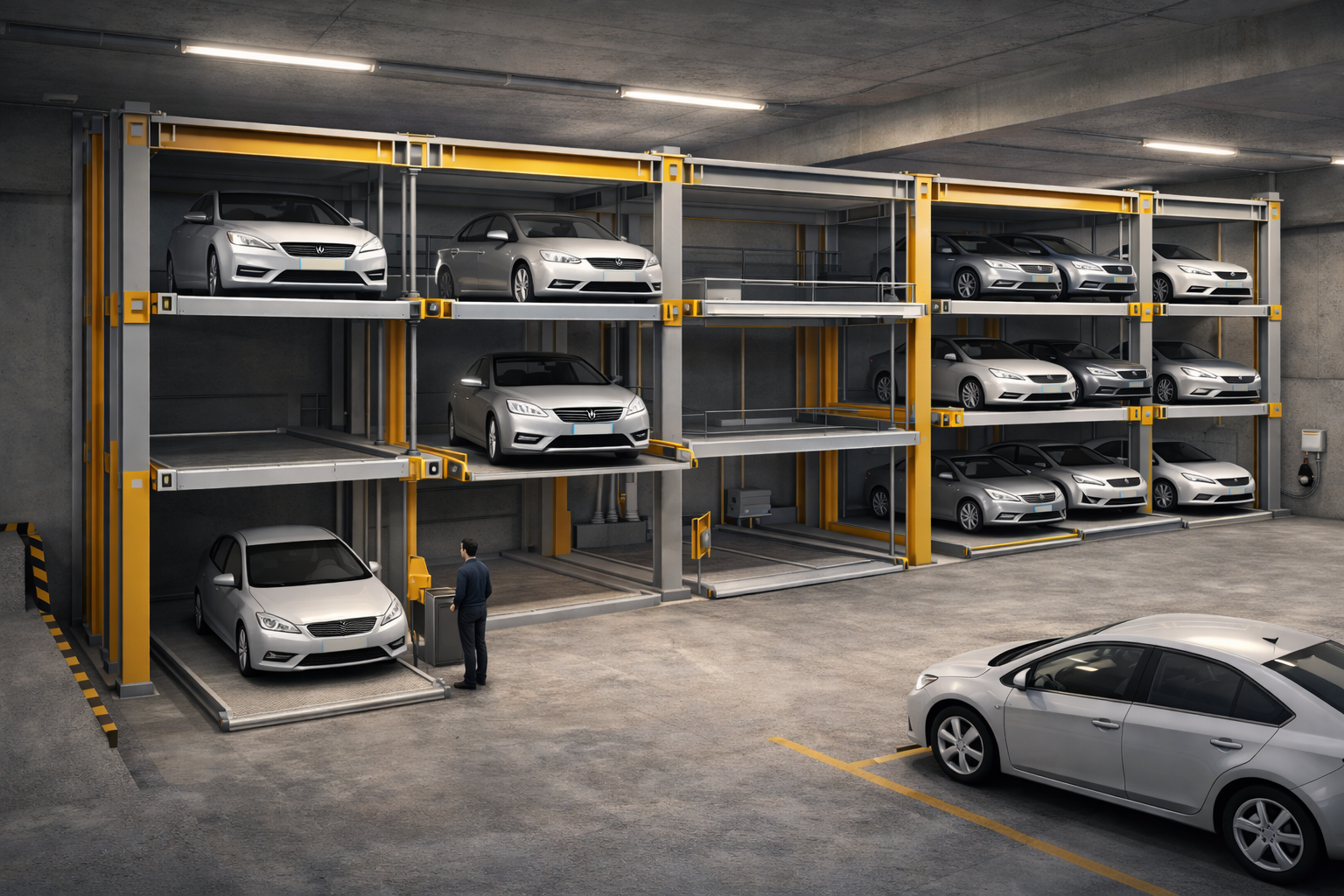
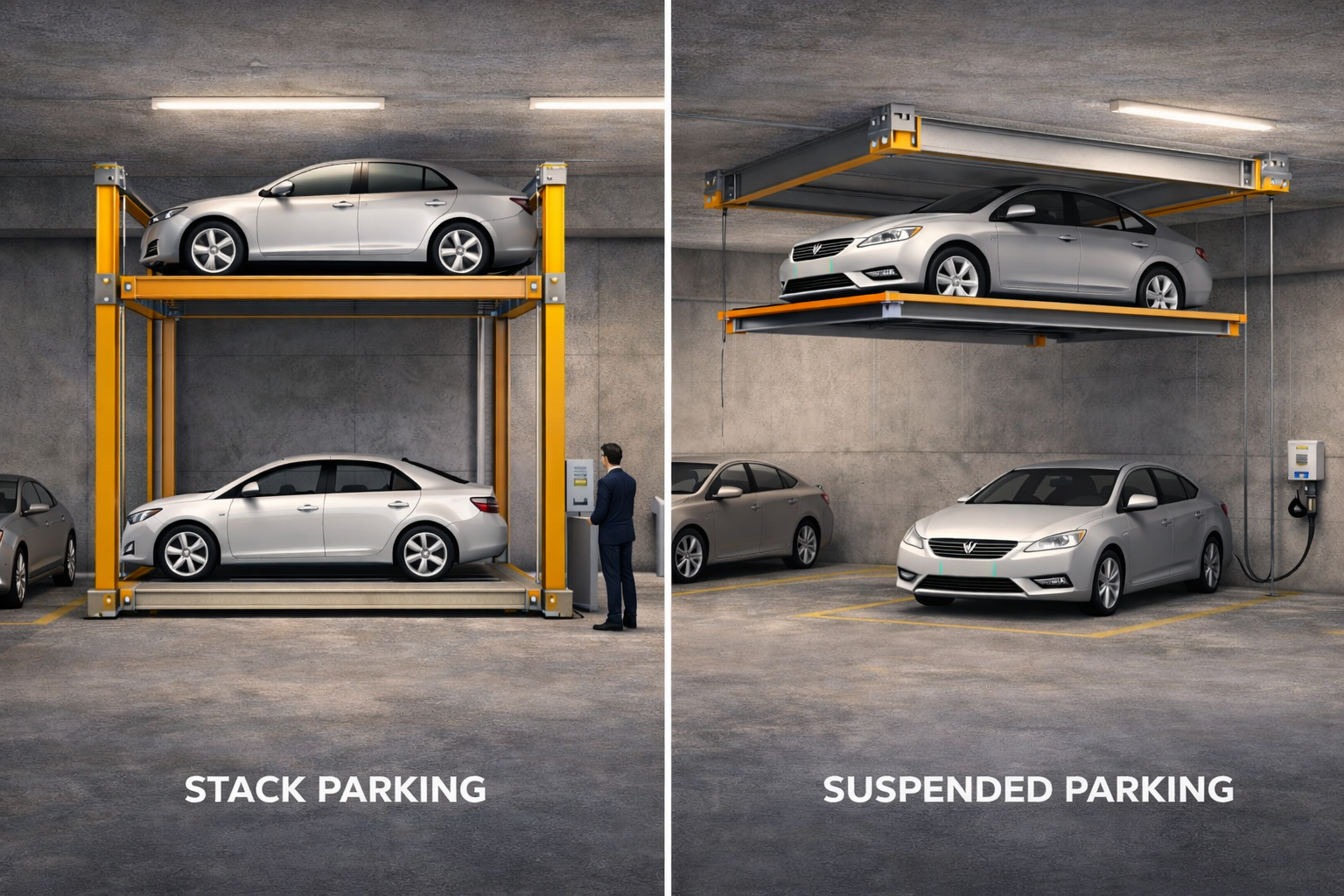
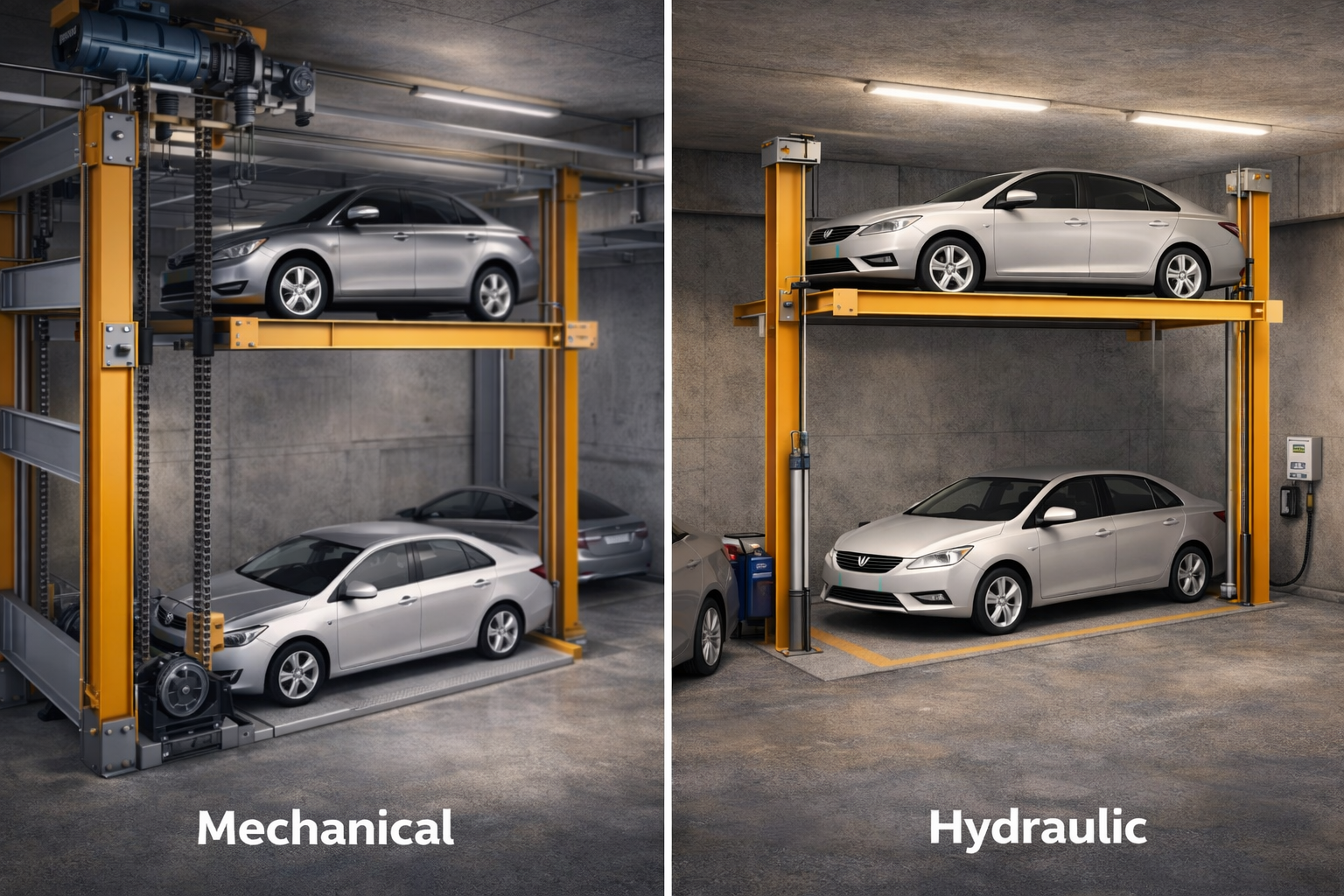
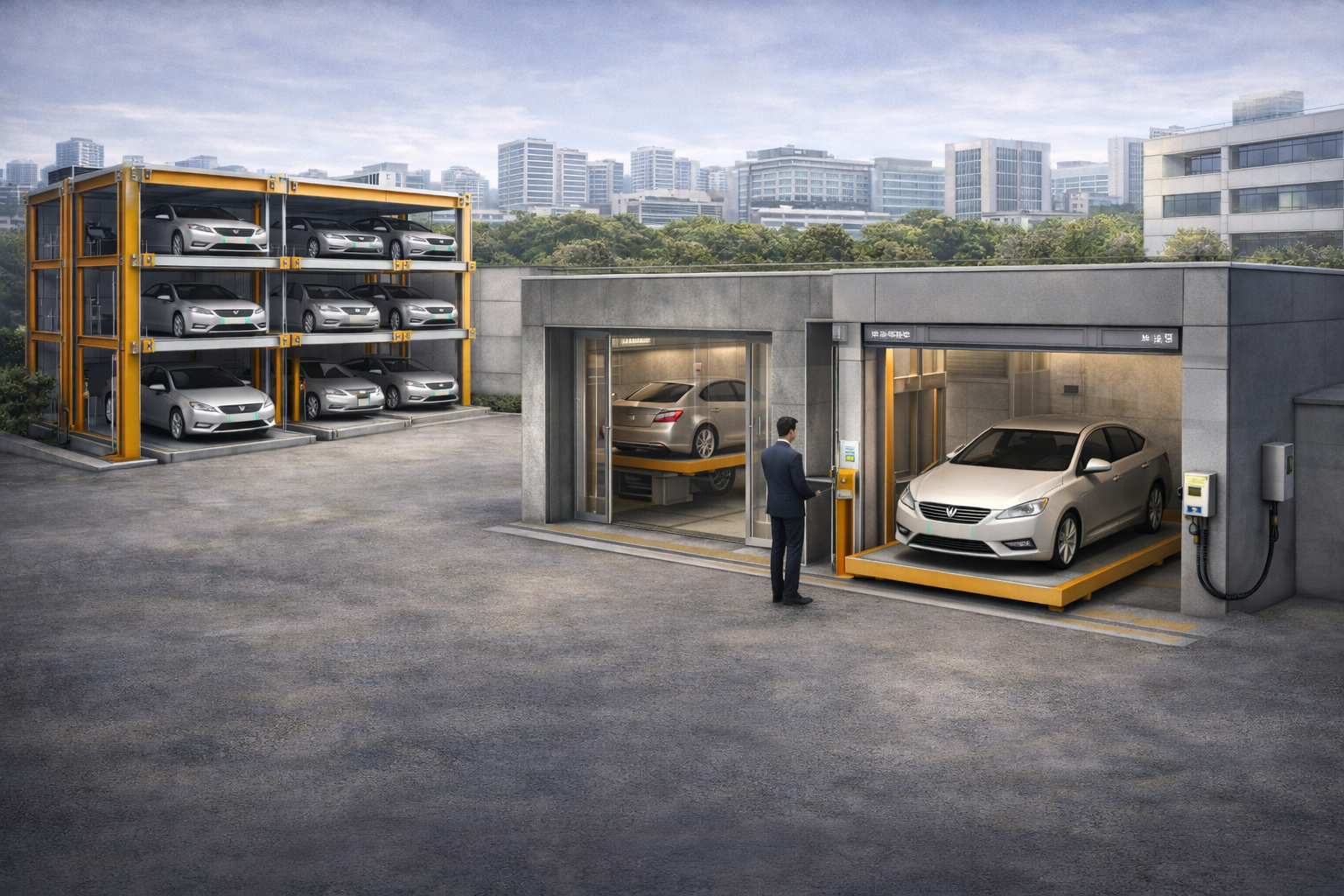
Automated parking systems use mechanical systems to position and retrieve cars via lifts, trays, and automated movement. Unlike typical parking, there are no multiple levels for a driver to pass. They park the vehicle at a designated access point, and the system moves it to its position automatically.
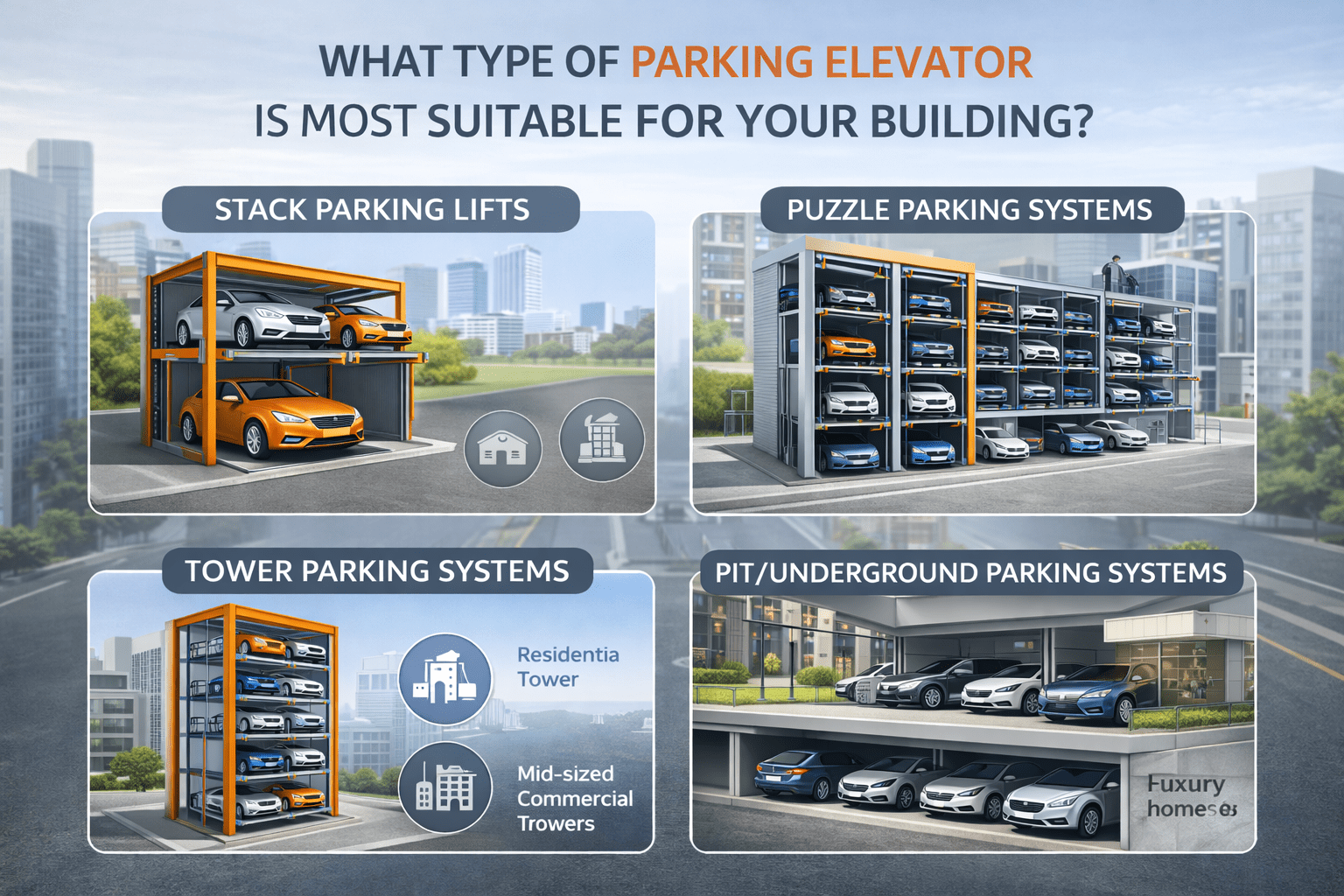
These systems are increasingly used in housing communities, office skyscrapers, commercial developments, hospitals, and mixed-use developments throughout India in buildings where space is money.
How Automated Parking Systems Work
- Vehicle Entry: The driver positions the car inside the marked bay and steps out.
- System Operation: Sensors inspect the vehicle’s size and correct alignment before any movement begins.
- Automated Storage: Automated carriers or lifts roll the vehicle to a free slot, either upward or laterally.
- Vehicle Retrieval: When ordered, the system retrieves the vehicle into the entry bay, eliminating manual handling.
Why Automated Parking Is Growing in India
- Space Efficiency: Allows many more vehicles to park without expanding the land area.
- Lower Construction Impact: Reduces the necessity of ramps, extended driveways, and extended basements.
- Improved Safety: Less human involvement will reduce the risks of accidents, scratches, or abuse.
- Urban Suitability: Fits well into dense Indian cities where open land is limited.
Automating Parking the Smart Way
Automated parking systems offer projects a reliable way to manage increased parking demand by adding capacity and reducing strain on space and construction budgets.