
Mechanical Parking System Park 2x to 6x more cars in the same space.
Running short on parking but out of land? A mechanical parking system stacks cars vertically using lifts and movable platforms — so you fit far more vehicles in a fraction of the floor area, without ramps eating up your space. The smart answer for developers, societies and homeowners facing shrinking plots and rising mechanical car parking demand.
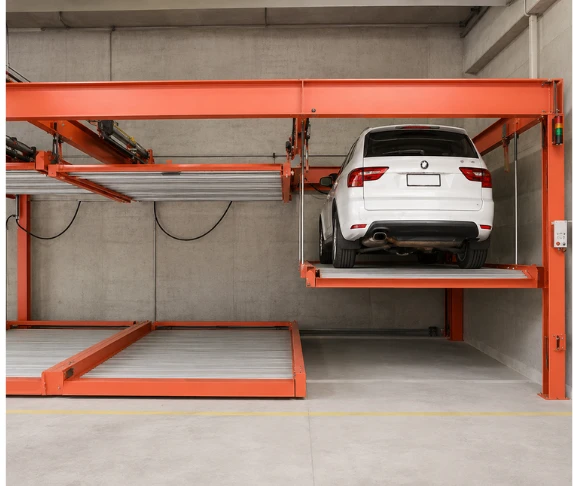
Too many cars, not enough space
Cities are growing taller, plots are getting smaller, and every household owns more cars than ever — but the ground stays the same size. That’s exactly the gap a mechanical parking system is built to close.
Can’t fit the required car spaces on the plot — and a parking shortfall means BU Permission gets stuck, possession gets delayed, and money stays locked.
Watch parking spill into lanes and entrances, sparking daily disputes between residents over who parks where.
With two or three cars, they simply run out of room — and a conventional ramp won’t fit in a compact home.
A mechanical parking setup solves all three by going up instead of out.
Without enough parking, you won't get BU Permission
In India, your building’s parking provision is checked before BU (Building Use) Permission is granted — and without it, your project can’t be legally occupied or fully handed over. For a developer, a parking shortfall isn’t a small design issue; it’s the one thing that can hold up possession at the finish line.
A mechanical parking system lets you meet your required car count on a tight plot — fitting the numbers the approval demands without sacrificing saleable area. Many of our mechanical car parking projects were taken on precisely to clear a parking gap and unlock a stalled approval.
What is a mechanical parking system?
A mechanical parking system — also called a mechanised car parking system or automated car parking — uses machinery like lifts, movable platforms and a control system to park and stack cars in a dense vertical arrangement, instead of having drivers navigate ramps and aisles to self-park.
The difference from conventional parking is simple. A traditional garage spends almost half its floor area on ramps and driving lanes. An iCube mechanical car parking system removes them entirely: you leave your car at an entry point, and the machine lifts and slides it into a tight slot. No ramps, no wasted lanes — just far more cars in the same footprint.
That single shift is why mechanical parking can hold 2 to 6 times more vehicles than conventional parking on the same piece of land.
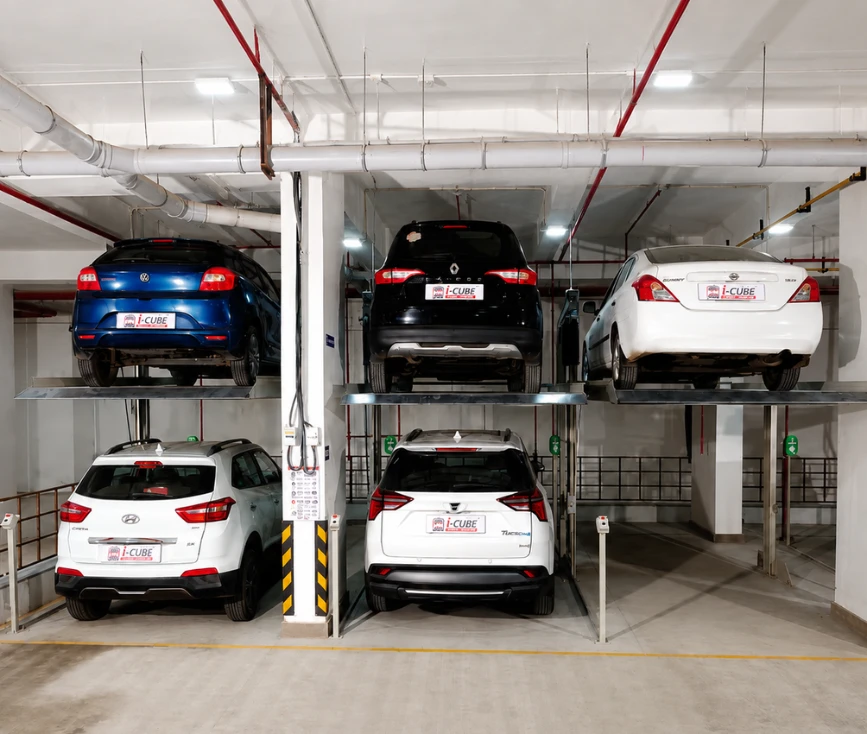
Why choose mechanical parking
Park 2 to 6 times more cars in the same area by stacking them vertically, instead of buying extra land.
Recover the land that ramps and driving lanes would have wasted, and use it for more flats, shops or open space.
Cars are stored inside an enclosed system that only the owner can access — protecting them from theft and tampering.
Your car is brought back to you in minutes at the press of a button — no hunting for a space, no waiting.
Hit the number of car spaces your approval needs — so BU Permission and possession move ahead without compromise.
A compact mechanical system needs less civil work, excavation and built-up area than a conventional ramped garage.
Since no one drives around inside the structure, there are no bumps, scrapes or mirror damage to parked cars.
Built from heavy-duty steel for years of reliable use, with simple operation anyone in the family can manage.
Mechanical parking vs conventional parking
| Conventional Parking | Mechanical Parking System | |
|---|---|---|
| Space per car | High — ramps & lanes waste ~40–50% | Low — no ramps, cars stacked vertically |
| Capacity on same plot | Baseline | 2x–6x more cars |
| Car safety | Dents & scrapes common | No driving inside — damage-free |
| Security | Open access | Enclosed, owner-only retrieval |
| Land cost efficiency | Poor — land-hungry | High — saves expensive floor area |
| Retrieval | Drive & search | Returned in minutes |
The takeaway: conventional parking spends your most expensive asset — land — on empty lanes. Mechanical parking spends it on cars.
Types of mechanical parking systems
iCube makes several types of mechanical parking systems. The right one depends on how much space you have, how many cars you need to park, and your budget.
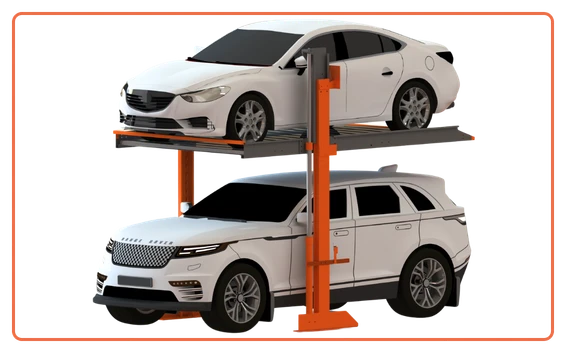
A platform lifts one car up so a second car can park below it. The simplest and most affordable option — it turns one space into two.
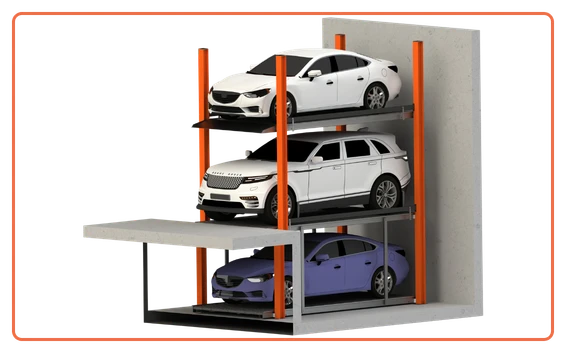
One car is lowered into a pit below the ground while another parks on top. Great when you have limited height or want a clean look.
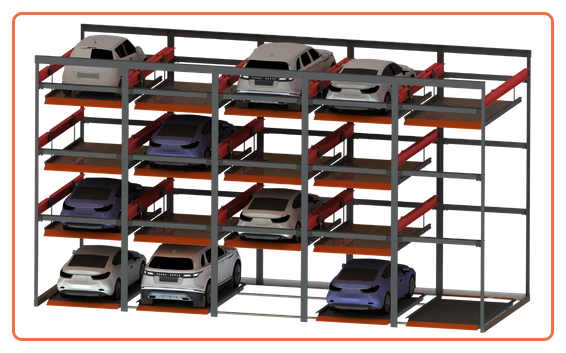
Cars sit on platforms that slide up, down and sideways — like a sliding puzzle — so any car can be moved out when needed.
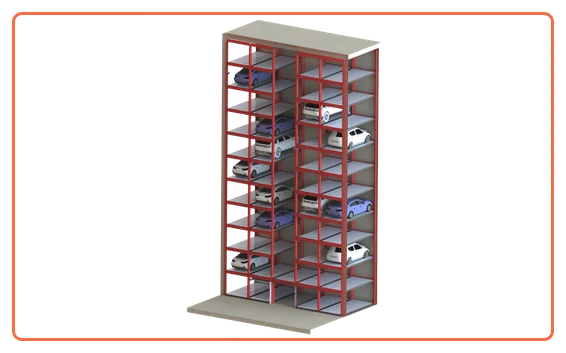
A tall tower with a lift in the middle stores cars on both sides. It parks the most cars in the smallest piece of ground.
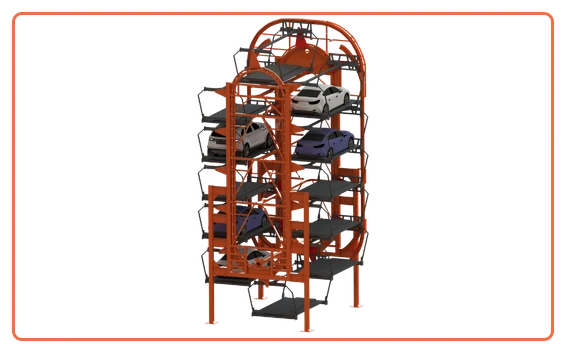
Cars rotate on a loop, like a giant wheel, bringing your car down to you. Fits many cars into a very small footprint.
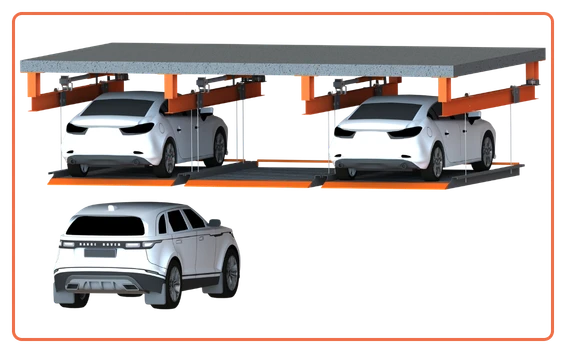
Cars are parked on a raised platform, keeping the ground below free. It makes use of empty space near the ceiling.
Two-wheeler & EV-charging parking systems are also available.
Mechanical parking solutions for every space
Meet your required car count on a compact plot with a mechanical parking system that works for residents.
End parking disputes for good. Retrofit mechanical car parking into existing premises and give every member a fair space.
Malls, offices, hospitals and IT parks: handle peak-hour crowds and maximise capacity on costly land.
Park multiple cars at home without a ramp — quiet, compact and safe for your premium vehicles.
Display and store more inventory on expensive frontage, kept secure and presentation-ready.
How a mechanical parking system works
Bring your car to the entry point and park on the platform or leave it in the entry bay.
Lifts and platforms transport the car vertically and horizontally to a free slot.
The car is stored compactly, with no wasted lane or ramp around it.
Request your car and the mechanical parking system returns it to you in minutes.
Simple for the user, effortless to operate — the machinery does the work, not the driver.
Safe, certified and reliable
Every iCube mechanical parking system is built with multiple safety layers — so your vehicles, and the people around them, stay protected.
- ✓
Sensors that detect vehicle position and prevent movement if anything is out of place.
- ✓
Anti-fall and overload protection on every platform.
- ✓
Emergency stop controls for an instant halt.
- ✓
Power-cut safe — Electromechanical locks
Mechanical parking projects across Ahmedabad & Gandhinagar
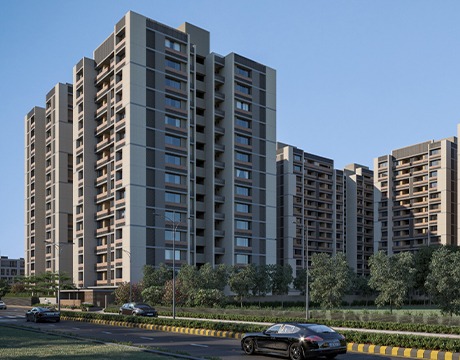
Shivalay Sharnam
Residential – 808 Spaces
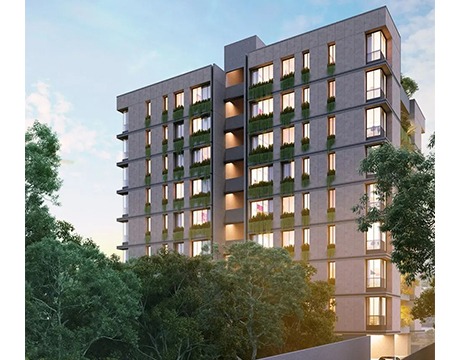
Skydeck Seasons
Residential – 52 Spaces

HR Elanza
Commercial – 22 Spaces
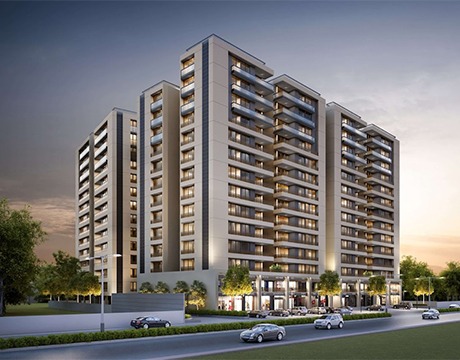
Atishay Shivalay -2
Residential – 144 Spaces
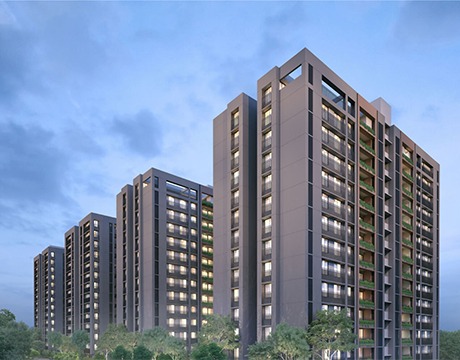
Spectra
Residential – 600 Spaces

Aagam Avenue
Commercial – 125 Spaces
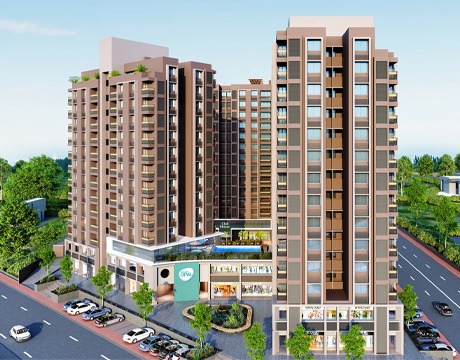
Rajvi Opal
Residential – 485 Spaces
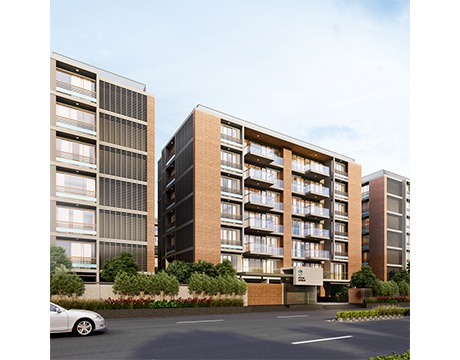
Atishay Shivalay – 1
Residential – 18 Spaces
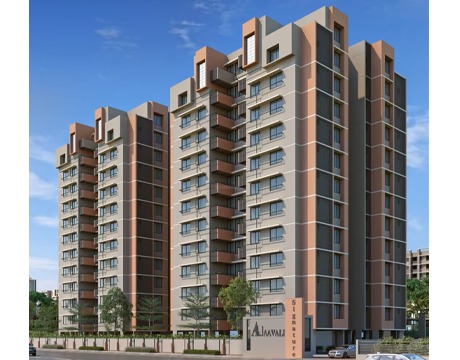
Aavali Signature
Residential – 232 Spaces
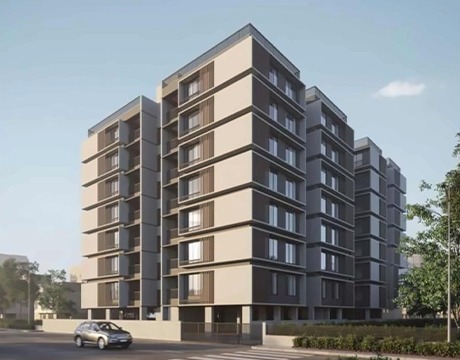
Madhuban
Residential – 48 Spaces
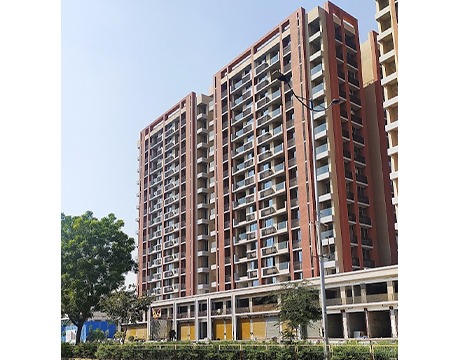
Ekta Festival
Residential – 294 Spaces

Saransh 2
Commercial – 20 Spaces
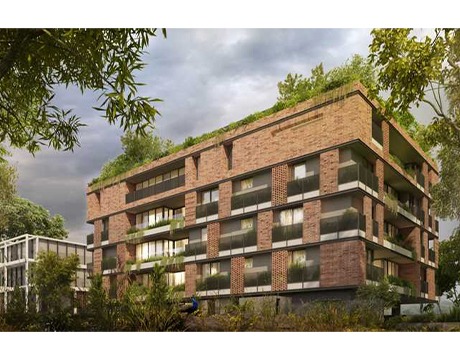
Skydeck Prive
Residential – 20 Spaces
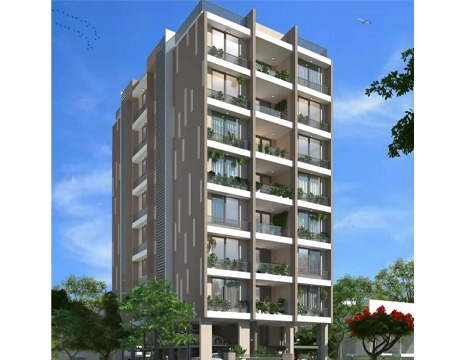
Hetvi Elegance
Residential – 14 Spaces
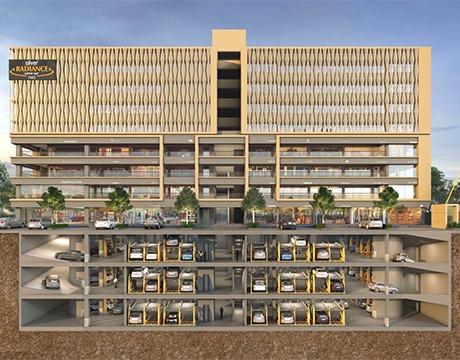
Silver Radiance – 2
Commercial – 120 Spaces
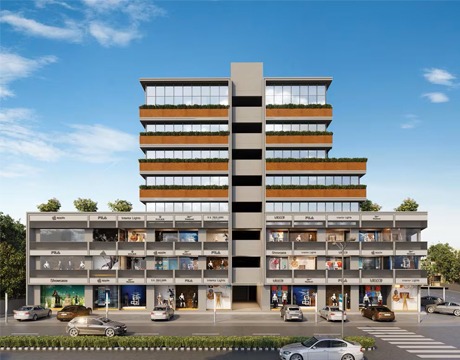
SPG Echelon
Commercial – 52 Spaces
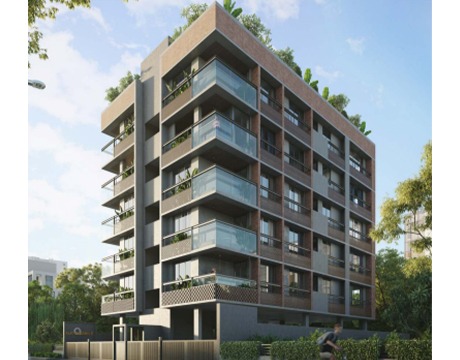
Sun Aashka 2
Residential – 20 Spaces
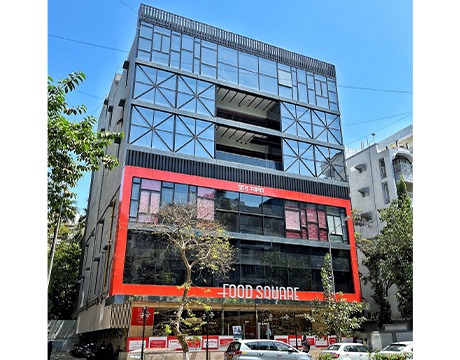
Yantrik Building
Commercial – 33 Spaces
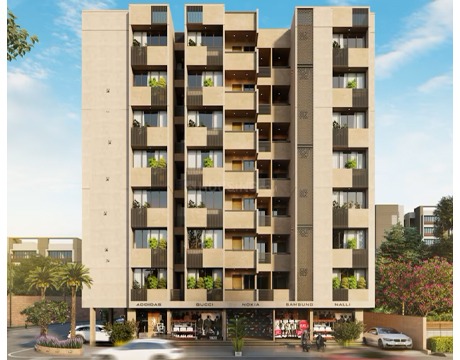
Shashwat Elegance
Residential – 29 Spaces
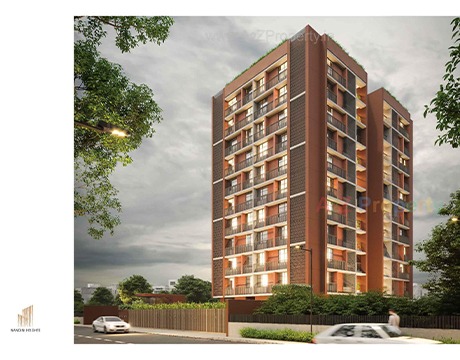
Nandini Heights
Residential – 80 Spaces

PV Enclave
Commercial – 126 Spaces
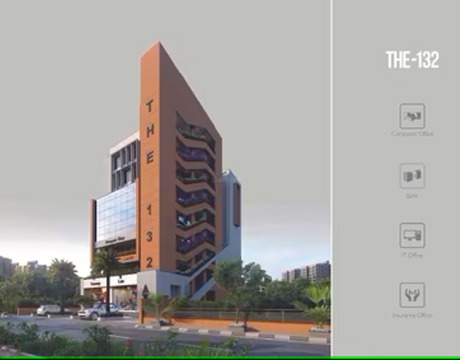
The 132
Commercial – 30 Spaces
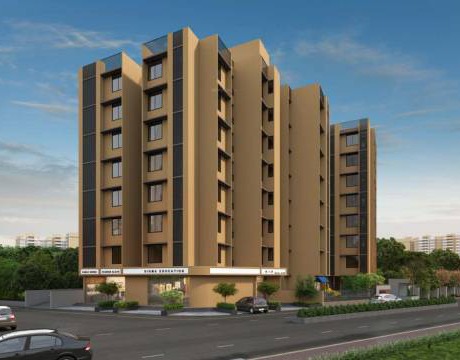
Sundaram Nest
Residential – 20 Spaces
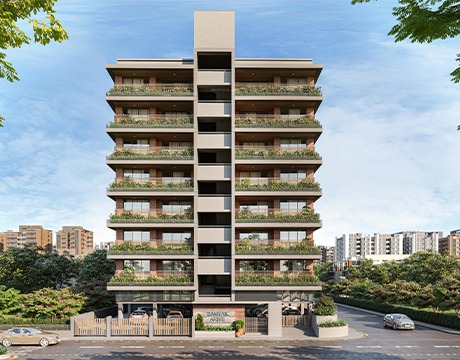
Samyak Arise
Residential – 30 Spaces
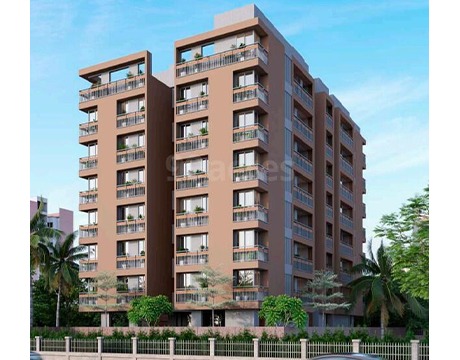
Rajal Apartment
Residential – 34 Spaces
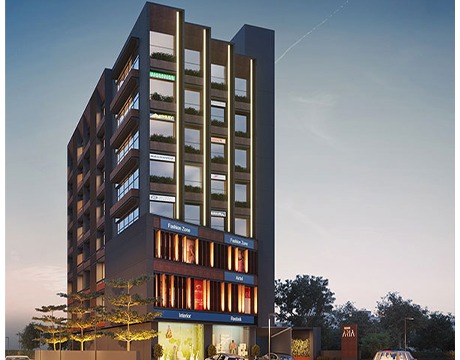
Kshitij Aria
Commercial – 28 Spaces
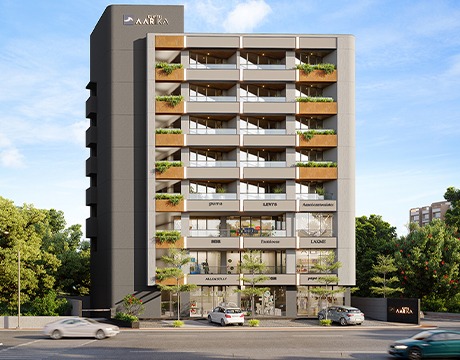
Kshitij Aarika
Commercial – 16 Spaces
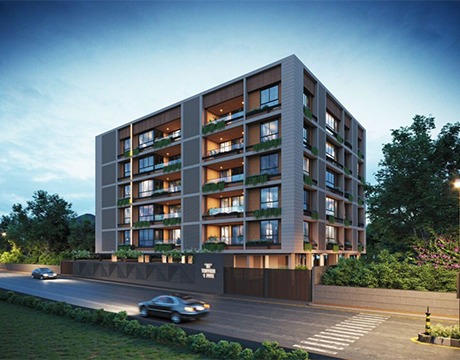
Triveni 1-Five
Residential – 30 Spaces
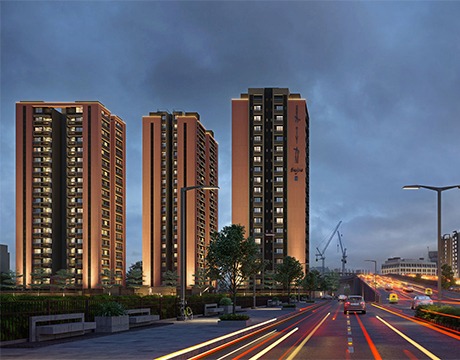
Satyam Skyline 2
Residential - 240 Spaces
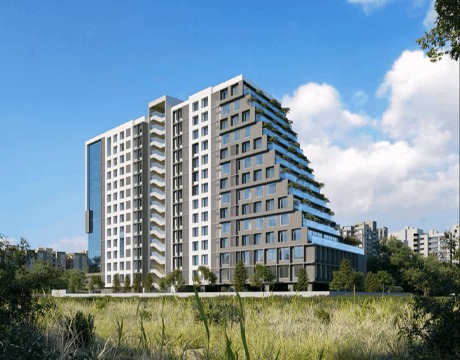
Solitaire Connect
Commercial - 185 Spaces
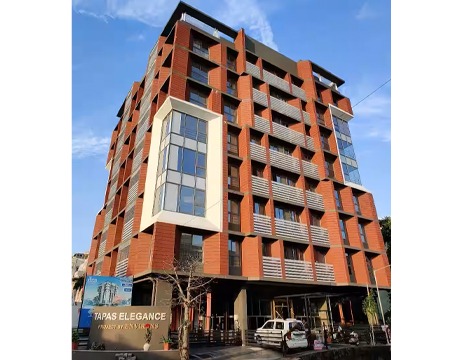
Tapas Elegance
Commercial - 42 Spaces
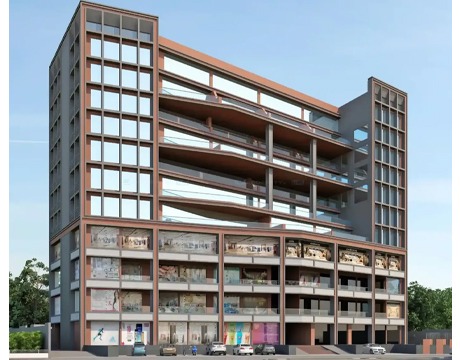
The Plutus
Commercial - 50 Spaces
Testimonials
Why choose iCube
With iCube, you don’t have to juggle different vendors. We handle every step of your mechanical car parking project — from the first site visit to long-term service — under one roof.
We assess your site and recommend the right system.
Engineered to your exact space and car count.
Made in India, with in-house quality control.
Delivered and set up by our own team.
We stand behind every system we install.
What determines the cost of a mechanical parking system?
There’s no single price — it’s built around your site, not a catalogue. The main factors that shape the cost are:
System type — stack, pit, puzzle, tower or rotary
Level of automation — semi-automatic vs fully automatic
Number of cars you need to park
Site conditions — available height, pit depth, layout
The most accurate way to know your cost is a quick assessment of your space. We’ll review your site and give you a clear, tailored quote — at no cost.
Get your free mechanical parking layout & feasibility check
Tell us about your space and parking requirement, and the iCube team will prepare a free layout and feasibility assessment — showing exactly how many cars you can fit and which mechanical parking system suits you best. No obligation. No cost. Just clarity on your parking.
Mechanical parking system — FAQs
A mechanical parking system uses lifts and movable platforms to stack and store cars vertically, fitting far more vehicles in the same space than conventional parking.
A mechanical car parking system can fit 2 to 6 times more cars on the same plot by removing the ramps and lanes conventional parking wastes.
Yes. With no driver inside the structure, dents are virtually eliminated, and every system includes sensors, anti-fall protection and emergency stops.
Systems are designed to hold cars safely in place during an outage. We use electromechanical locking mechanisms that automatically secure the platform, preventing any unintended movement and ensuring the vehicle remains safely locked in position until power is restored.
It depends on your space, car count and site conditions. Our free feasibility check recommends the best-fit mechanised car parking system for you
Yes — many systems can be retrofitted into existing premises, which is ideal for housing societies and older buildings.
Yes. By helping you meet your required parking count on a tight plot, a mechanized car parking system can clear the gap that holds up BU Permission.
Cost depends on the system type, automation level, number of cars and site conditions. We provide a free, tailored quote after a quick site assessment.
Solve your parking problem with iCube
Whether it’s a stuck approval, a society dispute, or simply not enough room — let’s fix your parking the smart way.